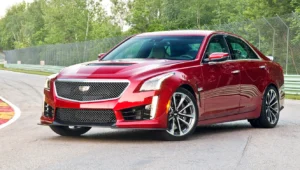
Every year brings a fresh wave of vehicles, each promising better technology, improved efficiency, and a more refined feel on the road. For anyone planning a purchase, timing matters more than most people realize. Waiting a few months can open up access to newer features, better pricing, or even entirely new models that were not available before. The 2026 lineup is already building anticipation, with automakers preparing updates across electric, hybrid, and traditional segments.
Release cycles are not random. They follow patterns shaped by production schedules, market demand, and global events. Knowing when new models arrive helps buyers make smarter decisions, whether they want the latest design or prefer discounts on outgoing versions. The 2026 model year will follow familiar trends, but there are also a few shifts worth paying attention to. A clear look at these timelines makes it easier to plan ahead and avoid rushed decisions.
How Car Release Cycles Actually Work
Car release cycles may seem confusing at first, but they follow a structured rhythm that has been consistent for decades. Most vehicles labeled as a new model year do not arrive at the start of that calendar year. Instead, manufacturers begin rolling them out several months earlier, often in the previous year. This is why 2026 cars will start appearing as early as mid to late 2025.
Automakers typically divide their launches into phases. Initial announcements and concept reveals happen first, often through auto shows or online events. After that, production models are introduced with full specifications, pricing hints, and expected arrival dates. Dealerships then receive inventory in waves rather than all at once. This staggered approach helps manufacturers manage supply chains and respond to demand shifts.
Another key factor is competition. Brands often time releases strategically to avoid clashing with major rivals or to capitalize on seasonal buying trends. For example, SUVs and family vehicles tend to launch before peak buying seasons like late summer, while performance cars may appear closer to spring.
Global supply chains also influence timing. Shortages in semiconductors, battery components, or raw materials can delay production. In recent years, this has led to uneven release schedules, with some models arriving months later than expected. For 2026 vehicles, manufacturers are working toward more stable timelines, but some unpredictability still remains.
Understanding these cycles helps buyers avoid confusion when they see a 2026 model on sale in 2025. It is not early; it is simply how the industry operates. This knowledge also allows buyers to plan purchases around availability, rather than waiting unnecessarily.
When 2026 Cars Start Arriving In Showrooms
The first wave of 2026 vehicles is expected to reach dealerships between July and September 2025. This period marks the unofficial start of a new model year in the automotive world. Early releases usually include high-volume models such as midsize sedans, compact SUVs, and popular trucks. These vehicles are prioritized because they generate the most sales and need to be available ahead of peak demand periods.
By October and November 2025, a broader range of models will begin appearing. This includes refreshed versions of existing cars, as well as newly redesigned vehicles. Manufacturers often use this window to build momentum before the end-of-year sales season. Buyers visiting showrooms during this time will notice a mix of 2025 and 2026 models sitting side by side.
The final wave typically arrives between January and March 2026. These late releases often include niche models, luxury vehicles, and performance-oriented cars. Electric vehicles may also fall into this category due to more complex production requirements. By early 2026, most of the lineup will be available across major markets.
Regional differences can affect availability as well. Some markets receive new models earlier due to higher demand or localized production. Others may experience delays based on import logistics or regulatory approvals. This means the exact arrival date can vary depending on location.
For buyers, the best time to see a wide selection of 2026 vehicles is between late fall 2025 and early 2026. This period offers the most variety while still allowing enough time to compare options without pressure. Planning visits around this timeline ensures access to the latest models without dealing with limited inventory.
Best Time To Buy A 2026 Model For Value
Timing a car purchase is not only about getting the newest model. It is also about balancing price, availability, and choice. The early release phase, typically from July to September 2025, offers the advantage of being among the first to own a new model. However, prices during this period are usually at their highest, with limited incentives and fewer discounts.
As the year progresses into late fall, pricing becomes more flexible. Dealerships begin offering promotions to attract buyers, especially as inventory grows. This period, from October to December 2025, is often considered one of the best times to buy if someone wants a newer model without paying a premium. There is still a good selection available, and negotiations become easier.
Early 2026 presents another opportunity. By this time, dealerships are focused on clearing out remaining inventory to make space for future arrivals. Buyers can find better deals, especially on models that did not sell as quickly. However, the trade-off is reduced choice in terms of colors, trims, and optional features.
There is also a strategic advantage in waiting for end-of-quarter or end-of-year sales targets. Dealerships often push harder during these times, which can lead to better pricing or added incentives such as extended warranties or service packages.
Buyers who prioritize savings over having the latest release may even consider purchasing a 2025 model once 2026 versions arrive. These outgoing models often receive significant discounts while still offering nearly identical features.
Choosing the right time depends on priorities. Those who want the newest technology and design should aim for early releases, while those focused on value will benefit from waiting a few months. A clear plan helps avoid overpaying or missing out on better opportunities.
What Changes To Expect In 2026 Models
The 2026 model year is shaping up to bring a mix of gradual improvements and meaningful upgrades. Rather than dramatic overhauls across the board, most manufacturers are focusing on refining existing platforms while introducing new technology. This approach allows for better reliability and smoother transitions between generations.
One of the biggest areas of change is electrification. More vehicles will offer hybrid or fully electric variants, even in segments that were traditionally dominated by gasoline engines. Battery efficiency is expected to improve, leading to longer ranges and faster charging times. This shift reflects growing demand as well as stricter emission regulations in many regions.
Interior technology will also see noticeable upgrades. Larger infotainment screens, improved voice controls, and more intuitive interfaces are becoming standard. Connectivity features, such as wireless updates and smartphone integration, will continue to expand. These improvements are designed to make everyday use simpler rather than overwhelming.
Safety systems are evolving as well. Advanced driver assistance features are becoming more refined, with better accuracy and smoother operation. Features like adaptive cruise control and lane-keeping support are expected to be more widely available, even in entry-level models.
Design updates will vary depending on the model. Some vehicles will receive full redesigns, while others will get minor styling tweaks such as updated headlights, grille designs, and interior materials. These changes help keep models fresh without requiring a complete overhaul.
Performance improvements will focus on efficiency rather than raw power in most cases. Engines are being optimized to deliver better fuel economy while maintaining reliable performance. Electric models, however, may see gains in acceleration and overall responsiveness.
Overall, the 2026 lineup will reflect a steady evolution rather than a sudden transformation. Buyers can expect more refined vehicles with smarter technology and improved efficiency, making them better suited for modern needs.
How To Plan Your Purchase Around New Releases
Planning ahead makes a noticeable difference when buying a car, especially with new model releases. The first step is deciding what matters most, whether it is having the latest features, getting the best price, or choosing from a wide range of options. Once priorities are clear, timing becomes easier to manage.
Research should begin several months before the expected release window. This allows time to compare models, track announcements, and understand what changes are coming. Many manufacturers reveal details early, giving buyers a chance to evaluate whether waiting for a new model is worth it.
Visiting dealerships during different phases of the release cycle can also provide useful insights. Early visits help identify availability and pricing trends, while later visits offer opportunities for better deals. Test driving both outgoing and new models can highlight whether the updates justify the price difference.
Financing and budgeting should not be left until the last minute. Interest rates, loan terms, and trade-in values can all impact the final cost. Preparing these details in advance ensures a smoother buying process and avoids rushed decisions.
It is also helpful to stay flexible. Sometimes a specific model may face delays or limited availability. Being open to alternative options can prevent frustration and keep the process moving forward. This is especially relevant for new releases, where demand can exceed supply.
Keeping track of incentives and promotions is another important step. Manufacturers and dealerships often introduce offers that can significantly reduce costs. These deals may not last long, so staying informed helps in making timely decisions.
A well-planned approach reduces stress and leads to better outcomes. Instead of reacting to availability, buyers can make choices based on clear goals and accurate information. This makes the entire process more efficient and satisfying.
Conclusion
The arrival of 2026 cars will follow a familiar pattern, beginning in mid to late 2025 and continuing into early 2026. Understanding this timeline helps buyers stay ahead, whether they are aiming for the newest model or looking for the best possible deal. Each phase of the release cycle offers different advantages, from early access to later discounts.
New models will bring gradual improvements, especially in technology, efficiency, and electrification. While not every vehicle will see major changes, the overall direction points toward smarter and more refined designs. Buyers who pay attention to release timing and market trends will have a clear advantage when making decisions.
Planning ahead, staying informed, and choosing the right moment to buy can make a significant difference. With a clear strategy, it becomes easier to navigate the release cycle and find a vehicle that fits both needs and budget.