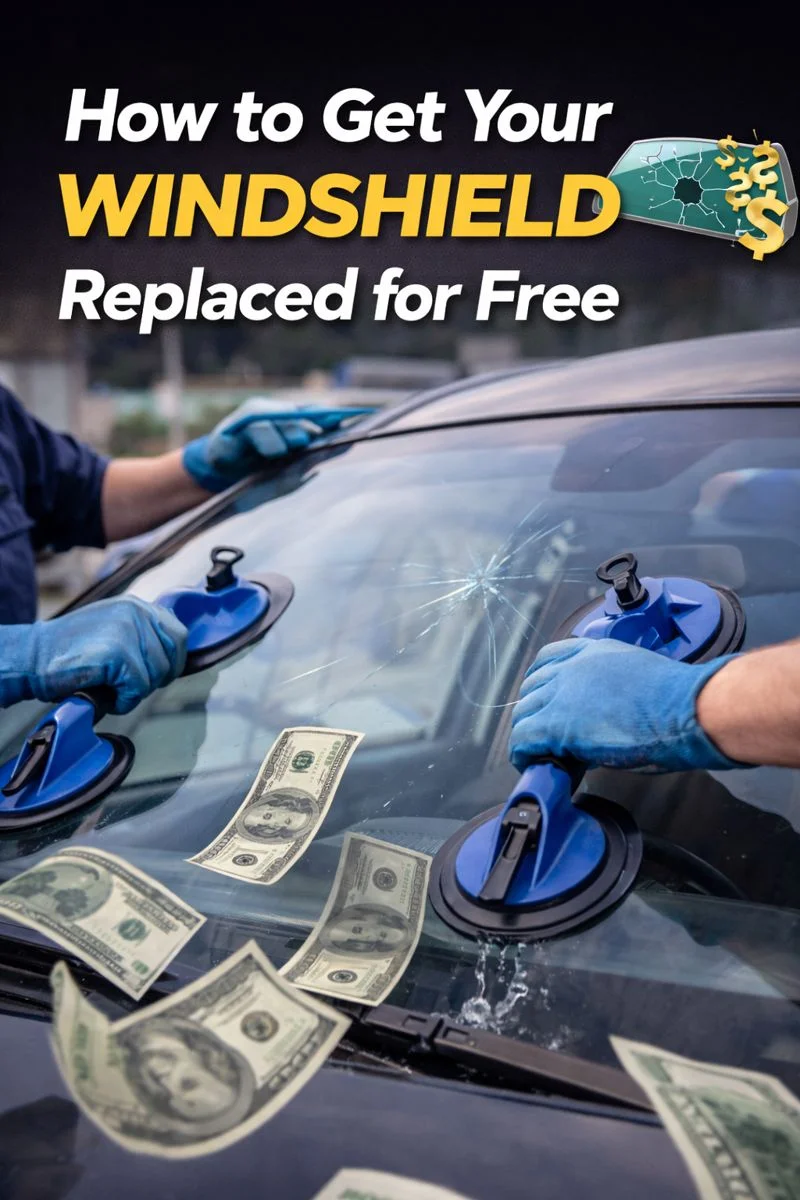
A cracked or shattered windshield is annoying, distracting, and potentially dangerous — but it doesn’t always have to cost you money.
Between insurance options, state rules, manufacturer programs, warranties, and repair-shop policies, there are several legitimate ways many drivers can have a windshield replaced with little or no out-of-pocket cost.
This article walks through every realistic path step by step: how glass claims typically work, which states force insurers to waive deductibles, when manufacturers or dealer programs help, how to use add-on glass coverage, and clever—but fully legal—approaches like using roadside-assistance vouchers or warranty transfers.
You’ll also get scripts to call your insurer, a checklist for what to document, and red flags to avoid so the free option doesn’t become an expensive mistake later. The aim is clear, practical advice you can use this week — not vague promises.
How Windshield Replacement Usually Gets Paid
Most windshield repairs and replacements fall under the comprehensive portion of an auto insurance policy.
Comprehensive covers non-collision damage (rock chips, vandalism, hail) and — depending on your policy wording and add-ons — may include repair without a deductible or replacement with a deductible.
Many insurers explicitly waive the deductible for small repairs (resin fixes) and in some cases for full replacement if you have a glass-specific endorsement. Always check your particular policy language.
The “Zero-Deductible” Laws And Where Insurance Must Pay Fully
Some U.S. states have laws or regulations that require insurers to offer zero-deductible glass coverage or that prohibit applying a deductible to windshield claims.
This means policyholders in those states who carry comprehensive coverage (and meet the policy conditions) can get windshield work done with no deductible.
Examples cited by reputable sources include Florida, Kentucky, and South Carolina; other summaries list New York, Massachusetts, Connecticut, Arizona and more as states where zero-deductible options are common or mandated in specific ways.
Because laws vary and sometimes change, verify the current rule in your state before assuming free service.
Simple Ways To Get A Windshield Replaced For Free Right Now
1. Use Glass Coverage (If You Already Have It)
Check whether your auto policy includes a glass endorsement or “full glass” add-on. With that option many insurers replace the windshield with no deductible — or the insurer will repair minor chips for free.
If you already bought that coverage, schedule the claim and ask the shop to bill the insurer directly. Big insurers and glass shops commonly handle this cashless.
2. File A Comprehensive Claim (If The Deductible Is $0 Or Waived)
If your comprehensive deductible is zero for glass (or your state’s rules mandate no deductible), file a straightforward claim.
Provide the photos and documentation requested and use the insurer’s preferred provider network to speed payment. This is the most common route to a “free” replacement.
3. Ask About A Deductible Waiver For Small Repairs
Many insurers waive the deductible for chip repairs (resin injections) because they’re cheap and prevent a larger replacement. If the damage is a small star or bullseye, ask for repair first; that often costs nothing out-of-pocket.
4. Use A Manufacturer Or Dealer Windshield Program
Some vehicle makers include windshield coverage in owner benefits or offer low-cost protection plans; certain EV makers and luxury brands occasionally provide a free replacement as a one-time benefit (for example, some OEM protection plans or special promos). Check with your dealer or the manufacturer’s customer-care portal.
5. Use Roadside Assistance Or Credit-Card Benefits
Some roadside-assistance memberships and premium credit cards include small glass repair credits, coupons, or partnerships with repair networks.
If you have such a membership, call first — they will often direct you to a preferred shop that can handle billing or provide a voucher. This won’t always cover a full replacement, but it can reduce or eliminate your out-of-pocket cost.
How To Find Shops That Will Handle The Claim For You
Many national auto-glass companies (and local shops) will work directly with insurers: they verify coverage, submit the claim, and bill the insurance company.
This process reduces hassle and often results in zero out-of-pocket if your policy or state rules allow. When scheduling, ask the shop:
- “Do you bill my insurance directly?”
- “Will I owe a deductible if I use insurance?”
- “Do you use OEM or aftermarket glass?”
Reputable national chains also list warranty and insurance procedures on their sites.
When You Can, Choose Repair Over Replacement
A lot of rock chips and small cracks are repairable. Many insurers prefer repair because it’s inexpensive and preserves the original windshield seal and calibration status — and insurers will frequently waive the deductible for repairs.
Repair is quick (often under 30 minutes) and effective if the damage is smaller than about a quarter or not directly in the driver’s line of sight. Ask your mobile technician if a resin repair will restore structural integrity adequately.
What To Say To Your Insurer To Try To Avoid A Deductible
Use this short script when you call:
- “Hello — I have comprehensive coverage on policy [number]. I have a windshield chip/crack. Do I have glass coverage or a zero-deductible option for glass?”
- “If I go to a preferred glass shop, will you authorize the repair/replacement directly and waive the deductible?”
- “Can you confirm whether a resin repair will be billed as a repair rather than a full claim?”
Document the agent’s name, time, and confirmation response. If they say you have zero-deductible glass coverage, request written confirmation (email or notes in your account). That paperwork prevents surprise bills.
When Replacement Won’t Be Free (And How To Minimize Cost)
Typical Reasons For Out-Of-Pocket Costs
- You lack comprehensive coverage or glass endorsement.
- Your policy has a comprehensive deductible that applies to replacements.
- The damage extends into the driver’s critical sight area and insurer requires OEM replacement that’s costly.
- The claim is part of an accident that triggers collision coverage and a deductible.
Ways To Reduce Or Eliminate Those Costs
- Add optional glass coverage when you renew (usually inexpensive).
- Use a shop with competitive pricing and compare quotes — sometimes paying the shop directly for a non-insurance replacement is cheaper than meeting a high deductible.
- Ask if the insurer or shop offers aftermarket glass options which are often less expensive and still safe when properly installed. Confirm any warranty differences.
Special Legal Situations: State Rules You Should Know
- Florida statute and several other states restrict charging a deductible for windshield replacement under comprehensive if the policy includes glass coverage; in those locales insured drivers commonly get replacement with no deductible.
Check your state’s current rules or ask your agent specifically about any state-mandated zero-deductible protections. Laws and interpretations change, so rely on current insurer confirmations or state regulatory pages for final authority.
Manufacturer Calibration And Why OEM May Matter
Modern vehicles often have ADAS (advanced driver-assistance systems) cameras and sensors mounted to or calibrated against the windshield.
If calibration is required after replacement, some manufacturers or insurers specify OEM glass and factory-calibration procedures — these add cost but are important for safety.
When your windshield contains ADAS cameras, ask whether the replacement includes recalibration and whether your insurer will cover that under the claim. Failure to calibrate properly can impair lane-keeping, collision warning, and adaptive cruise functions.
Warranties And Lifetime Guarantees: Another Free Option
Many national glass companies offer lifetime warranties on workmanship and materials while you own the vehicle. If a defect appears after a shop’s install, they’ll replace the glass at no charge under the warranty terms.
Keep your invoice and warranty paperwork because this is a common route to free replacement if the problem is installation-related.
How To Avoid Surprise Costs
Before you schedule work, gather this info and confirm with the shop or insurer:
- Policy number and whether you have glass endorsement.
- Whether you’re covered for OEM glass or acceptable aftermarket.
- Whether ADAS calibration is required and whether it’s covered.
- Whether the shop will file the claim and accept direct billing.
- Any state rules affecting deductibles for glass.
Get answers in writing (email or policy notes) when possible. That reduces the chance you’ll get a bill later.
Real Examples And Data Points From Trusted Sources
- Progressive and Policygenius summarize that several states either require or commonly make available zero-deductible glass coverage — making insured drivers eligible for deductible-free replacement in those jurisdictions. Always confirm with your insurer.
- Major providers like Safelite work directly with insurers to verify coverage and often offer lifetime workmanship warranties — which means if the replacement fails due to install defects, the shop will replace the windshield at no charge. That’s a reliable “free” safety net for many customers.
- Insurers (Allstate, GEICO, Nationwide) note that small repairs are frequently covered with no deductible and that certain policies or add-ons explicitly waive deductibles for glass. Ask your carrier whether you have those options before paying.
Avoid These Common Pitfalls
- Assuming Replacement Is Free Without Checking: A verbal “yes” can be misinterpreted. Get confirmation in writing.
- Letting An Unvetted Shop Install Glass: Cheap installs with poor adhesives or incorrect sealing can leak, delaminate, or compromise safety. Prefer shops with certifications and warranties.
- Skipping ADAS Calibration: If your car requires calibration after replacement, skipping it can make safety systems unreliable — that’s not cost-worthy. Confirm calibration is included if applicable.
If You’re Denied Coverage: Next Steps
- Ask For The Denial Reason In Writing — insurers must document why they denied a claim or applied a deductible.
- Escalate To A Supervisor Or File An Appeal — often a senior rep or claims adjuster can re-review the evidence.
- Contact Your State Insurance Regulator — if you believe your claim was improperly denied under local law, regulators can advise and intervene.
- Consider Paying For Replacement And Submitting Receipts Later — in some cases the shop will perform the work and the insurer reimburses later if the claim is approved. Keep thorough documentation.
How To Do It Quickly: A Fast Roadmap
- Photograph the damage (close-up and from 10–15 ft).
- Call your insurer: confirm coverage, deductible, and whether a preferred shop can bill them. Save the agent’s name.
- Call a reputable national or certified local shop — ask if they handle claims and if work will be cashless.
- If repair is possible, request it first (often free). If replacement is required, confirm deductible or zero-deductible status in writing.
- After replacement, keep the invoice and warranty certificate. Note date and any calibration performed.
Frequently Asked Questions
Q: Will Filing A Windshield Claim Raise My Insurance Rates?
Most insurers treat glass claims differently and may not raise premiums for a single small glass claim, but rules vary. Ask your insurer whether a glass claim affects your rates or no-claims discounts.
Q: Can I Use A Coupon Or Promotion For Free Replacement?
Occasionally shops run promotions that cover part or all of a replacement cost. Vet the shop and confirm the promo is legitimate and won’t void warranties or use unsafe components.
Q: Are Aftermarket Windshields Safe?
Quality aftermarket windshields from reputable manufacturers installed correctly are safe. Differences exist in optical quality and fit; ask the shop to confirm the glass meets OEM-equivalent standards and to provide a warranty.
Closing Thoughts
Getting a windshield replaced for free is realistic for many drivers — but it depends on coverage, local rules, and choosing the right provider.
Start by checking your policy for glass endorsement or zero-deductible provisions, document the damage, and call a reputable shop that handles claims directly. In states with protective glass laws, your path to a zero-deductible replacement is especially straightforward.
Combine that legal protection with manufacturer or shop warranties, and you’ll often walk away without paying a penny. Above all, confirm details in writing, and prioritize proper installation and ADAS calibration so the “free” replacement keeps you safe.