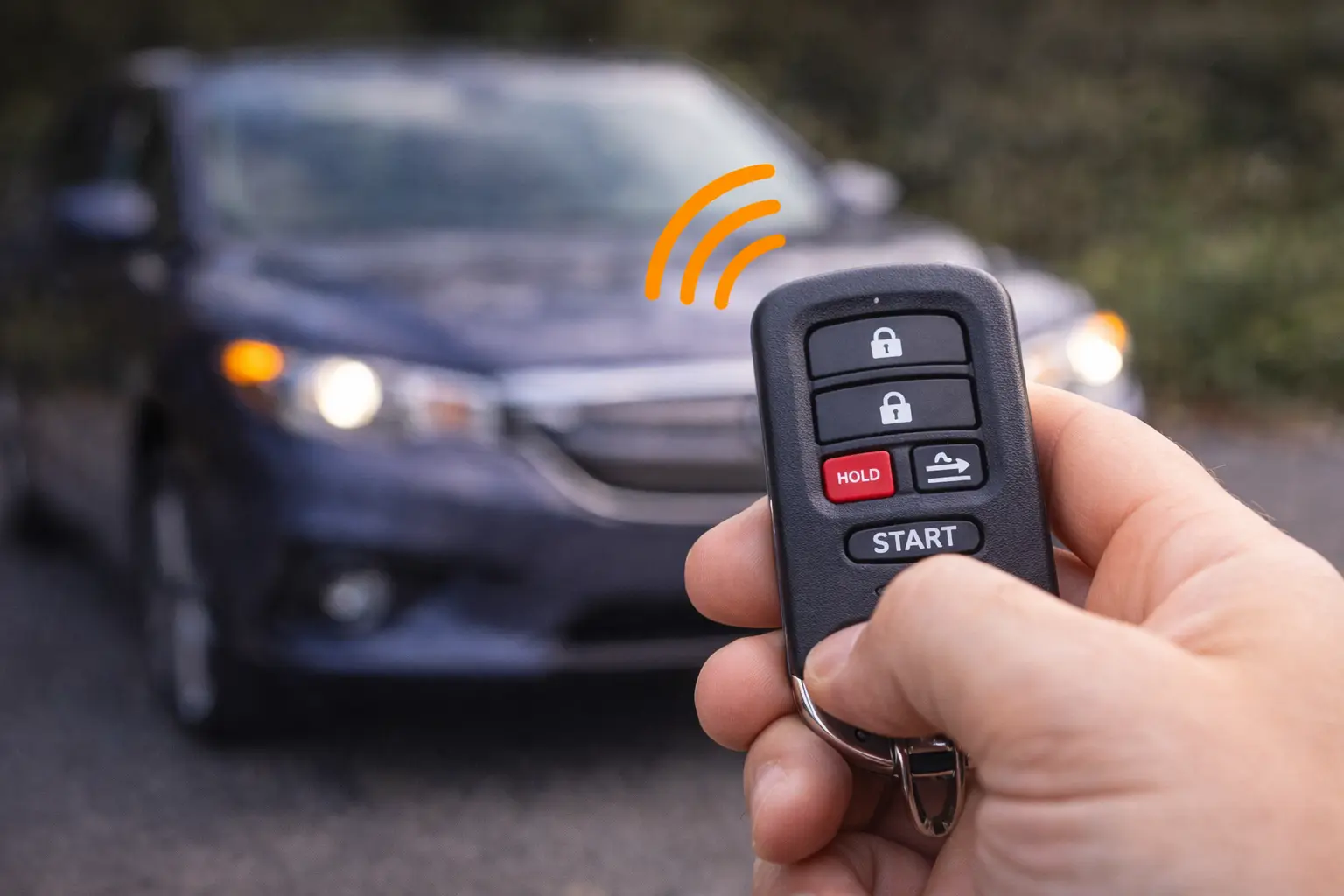
Remote start systems have shifted from luxury add-ons to practical upgrades for everyday vehicles. The ability to start your engine from inside your home or office offers comfort in extreme weather and convenience during busy routines. On cold mornings, the cabin warms before you step outside. In summer heat, the air conditioning begins cooling before you open the door.
Modern vehicles increasingly include factory remote start options, but many owners explore aftermarket installation. The cost varies widely depending on the vehicle, the type of system selected, and installation complexity. Some cars require additional security bypass modules, while others integrate more easily.
Before committing to installation, it is important to understand pricing structure, feature differences, and long-term value. Remote start is not just about comfort; it involves electrical integration, safety considerations, and compatibility with modern anti-theft systems.
Average Cost Of Installing Remote Start
Basic Aftermarket Systems And Entry Level Pricing
A basic remote start system typically costs between $150 and $300 for the hardware itself. These entry-level kits usually include a simple key fob with limited range. They allow the engine to start and shut off remotely but may not include advanced features such as smartphone connectivity or extended signal distance.
Installation labor adds another $150 to $400 depending on the vehicle’s electrical complexity. Older vehicles with simple ignition wiring often cost less to install. Newer vehicles with push-button start systems, immobilizers, or encrypted keys require additional components and more labor time.
In total, most drivers spend between $300 and $700 for a professionally installed basic remote start system.
Mid Range And Advanced Systems
Mid-range systems often cost $300 to $500 for the kit alone. These models may include extended range remotes, two-way communication (confirmation that the vehicle started), and compatibility with factory key fobs.
Installation costs for these systems typically range from $200 to $500. Vehicles equipped with advanced security systems may require bypass modules, increasing parts and labor expenses.
For a higher-end system with smartphone control, GPS tracking, or integration with security alarms, total installation cost may range from $600 to $1,200 or more.
Factors That Influence Installation Cost
Vehicle Type And Electrical Complexity
Modern vehicles rely heavily on computer networks and encrypted key systems. Cars with advanced immobilizers require special bypass modules so the remote start system can communicate properly without disabling factory security.
Push-button start vehicles often involve more intricate wiring compared to traditional keyed ignitions. Hybrid and electric vehicles may not support remote start in the same way as gasoline-powered models.
Luxury vehicles frequently have more complex dashboards and wiring layouts, increasing labor time. Trucks and SUVs may also require extra programming depending on factory configuration.
Labor Rates And Professional Installation
Labor cost varies by region and installer expertise. Certified automotive electronics shops may charge higher rates due to experience and warranty support. Big-box retailers sometimes offer lower installation pricing, but service quality may differ.
Professional installation is strongly recommended. Incorrect wiring can cause electrical malfunctions, battery drain, or security system conflicts.
Choosing a reputable installer ensures the system integrates cleanly and functions reliably over time.
Factory Remote Start Versus Aftermarket Options
Factory Installed Systems
Many new vehicles offer factory-installed remote start packages. When included at purchase, these systems often cost between $200 and $500 as part of a trim level or technology package.
Factory systems integrate seamlessly with vehicle electronics and maintain warranty coverage. However, retrofitting factory remote start into a vehicle that did not originally include it can be expensive, sometimes exceeding $500 to $1,000 depending on required programming and parts.
Aftermarket Advantages And Limitations
Aftermarket systems offer flexibility. Owners can choose extended range, smartphone app control, or integrated alarm systems.
Some aftermarket solutions provide greater signal distance than factory options. Smartphone integration allows starting the vehicle from virtually any location with cellular service.
The downside includes potential compatibility concerns and reliance on proper installation quality.
Additional Costs And Considerations
Bypass Modules And Programming
Many modern vehicles require bypass modules to temporarily override the immobilizer system during remote start. These modules can add $50 to $200 to the total cost.
Programming may also require dealership tools in certain cases. Some installers include programming fees in labor charges, while others list it separately.
Subscription Fees For Smart Features
Smartphone-controlled remote start systems often require subscription services. These fees can range from $50 to $150 per year depending on provider and features offered.
Long-term cost should factor in subscription expenses if remote access from unlimited distance is desired.
Warranty And Insurance Considerations
Properly installed remote start systems typically do not void vehicle warranties when installed professionally. However, damage caused by incorrect installation may not be covered.
Insurance premiums generally remain unaffected, though systems integrated with alarm features may provide minor security benefits.
Is Remote Start Worth The Cost
Remote start provides convenience in extreme temperatures and can improve comfort before entering the vehicle. It may also allow engine fluids to circulate before driving in colder climates.
Fuel consumption during idle should be considered. Prolonged idling increases fuel usage and emissions. Most systems automatically shut off after a preset time to limit unnecessary operation.
Resale value may benefit slightly from added features, particularly in regions with cold winters.
For drivers prioritizing comfort and convenience, installation cost often feels justified.
Long Term Ownership Perspective
A properly installed remote start system should function reliably for years. Routine vehicle battery maintenance ensures strong signal communication and reliable startup.
Periodic inspection of wiring and connectors may be necessary if electrical issues arise. Choosing quality components reduces long-term concerns.
Technology continues to evolve, and smartphone integration may become standard in future vehicles. For now, aftermarket installation remains a practical solution for vehicles without factory remote start.
What It Comes Down To
Installing remote start typically costs between $300 and $1,200 depending on system complexity and vehicle compatibility. Entry-level kits remain affordable, while advanced systems with smartphone control command higher pricing.
Vehicle electrical design, labor rates, and feature selection play significant roles in determining total cost. Professional installation ensures safety, reliability, and proper integration.
For many drivers, the comfort of stepping into a pre-warmed or pre-cooled cabin justifies the investment. Careful selection of system type and installer helps ensure the upgrade delivers lasting value.