Remote start has shifted from a luxury feature to a practical upgrade many drivers actively look for. The ability to start a vehicle from a distance, let the cabin warm up in winter or cool down in summer, and step into a comfortable interior adds everyday convenience.
As more vehicles rely on advanced electronics, interest in adding remote start after purchase has grown rapidly.
One of the first questions that comes up is cost. Some drivers hear numbers that seem surprisingly low, while others are warned about expensive installations and compatibility problems.
The reality sits somewhere in the middle. The price of installing remote start depends on the vehicle, the system chosen, and how complex the electronics are. There is no single flat rate that applies to every car.
Understanding what goes into the cost helps avoid overpaying or choosing a system that causes long-term issues.
A properly installed remote start should feel seamless, safe, and reliable. Knowing how pricing works allows owners to make a confident decision that matches both budget and expectations.
What Remote Start Installation Actually Includes
Remote start pricing is not just about the device itself. The total cost reflects hardware, labor, and vehicle compatibility.
Core Components Of A Remote Start System
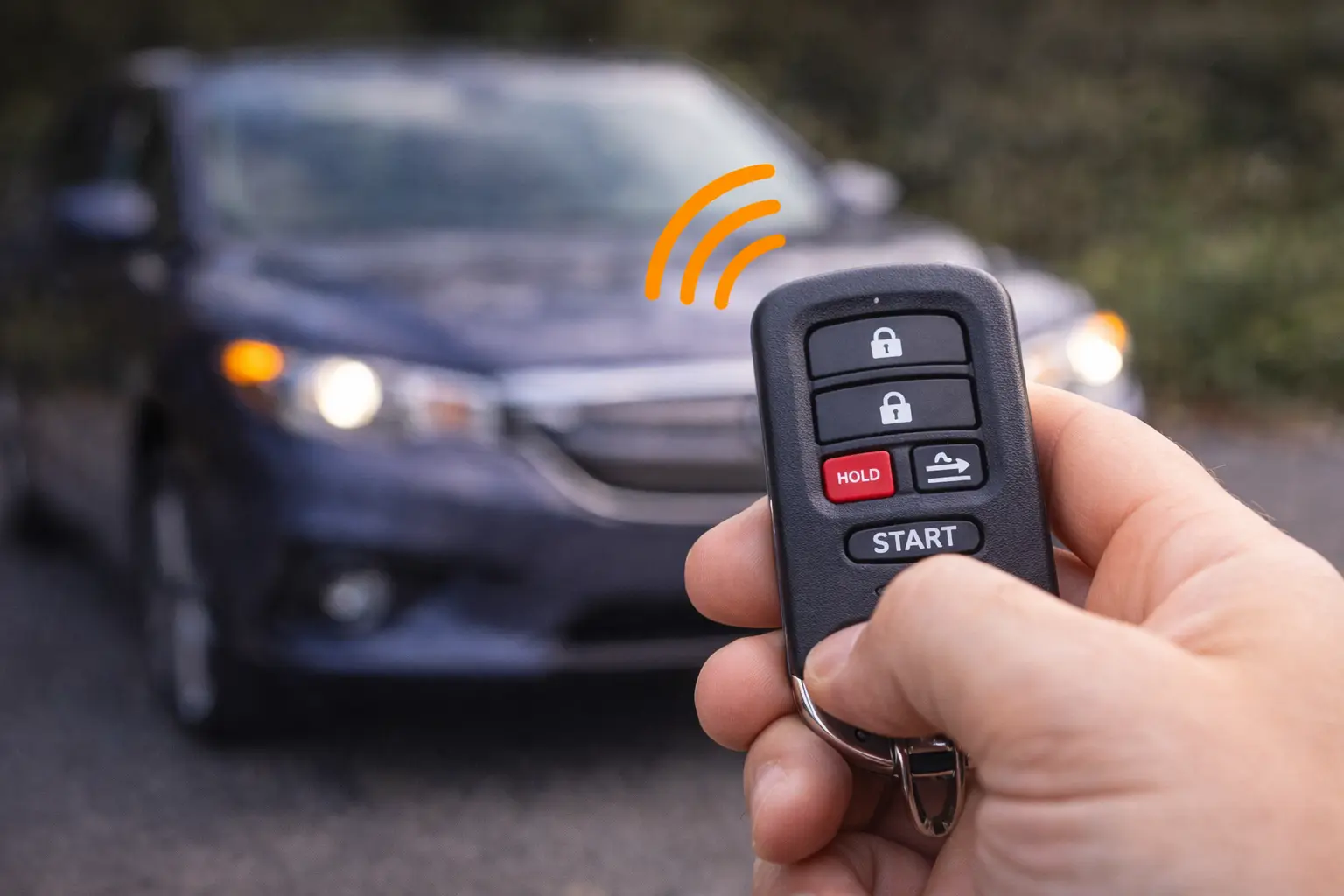
Most systems include a control module, wiring harnesses, and at least one remote transmitter. Some setups integrate with factory key fobs, while others use separate remotes or smartphone apps.
Advanced systems may also include antenna modules, security interfaces, and bypass modules for modern immobilizers.
Labor And Vehicle Integration
Installation involves connecting the system to ignition, starter, brake, and security circuits. Modern vehicles require careful integration with onboard computers.
Labor time varies depending on vehicle design. Simple cars allow faster installation, while newer models with complex electronics take longer.
Programming And Testing
After physical installation, the system must be programmed. This step ensures proper communication with the vehicle’s security system and verifies safe operation.
Testing confirms that remote start shuts off correctly when doors open or the brake is pressed.
Average Cost To Install Remote Start
Remote start installation costs fall into broad ranges rather than fixed prices.
Basic Remote Start Systems
Entry-level systems typically cost less and provide core functionality. These systems usually rely on a dedicated remote with limited range.
For most vehicles, total installed cost for a basic system falls in the lower price range. This option suits drivers who want simple start-and-run capability without extra features.
Mid-Range Remote Start Systems
Mid-level systems often include longer range remotes, two-way confirmation, or integration with factory key fobs.
These systems cost more due to additional hardware and programming. Installation time may also increase slightly.
Smartphone And App-Based Systems
App-controlled systems allow starting the car from virtually anywhere using a mobile network.
These systems are more expensive upfront and may include subscription fees. Installation is often more complex due to added modules.
Factory-Style Or OEM-Integrated Options
Some vehicles support factory-style remote start upgrades. These systems integrate cleanly with existing electronics and key fobs.
Costs are typically higher, but reliability and appearance match factory standards.
Factors That Increase Or Reduce Installation Cost
Several variables strongly influence final pricing.
Vehicle Make, Model, And Year
Older vehicles with simple ignition systems are easier and cheaper to install remote start on.
Newer vehicles with push-button start, advanced immobilizers, or encrypted systems require additional modules and programming.
Push-Button Start Versus Traditional Key
Push-button start vehicles almost always cost more to equip with remote start.
They require specialized bypass modules to communicate with the security system without compromising safety.
Automatic Versus Manual Transmission
Automatic transmission vehicles are simpler to equip.
Manual transmission vehicles require extra safety features and sensors to prevent starting while in gear. This increases cost and limits installer availability.
Built-In Security Systems
Vehicles with advanced factory alarms or immobilizers require compatible bypass modules.
These modules add to both parts and labor cost.
Labor Costs And Installer Expertise
Labor quality matters as much as parts.
Professional Installation Versus DIY
Professional installation ensures correct wiring, proper programming, and warranty support.
DIY kits appear cheaper but often lead to electrical problems, warranty issues, or incomplete functionality.
Typical Labor Time
Installation time ranges from one to four hours depending on vehicle complexity.
Labor rates vary by region, shop reputation, and experience level.
Why Cheap Installation Can Cost More Later
Improper wiring can cause battery drain, warning lights, or starting issues.
Fixing a poor installation often costs more than doing it correctly the first time.
Additional Features That Affect Price
Remote start systems often bundle optional features.
Two-Way Remotes
Two-way systems confirm that the vehicle has started successfully.
These add cost but improve reliability and peace of mind.
Extended Range And Long-Distance Options
Long-range remotes and cellular connectivity increase convenience but also raise overall price.
Climate Control Integration
Some systems trigger heated seats, defrosters, or climate settings automatically.
These features require additional programming and vehicle compatibility.
Ongoing Costs And Considerations
Installation is not always the final expense.
Subscription Fees For App-Based Systems
Smartphone-controlled systems often require monthly or yearly subscriptions.
These fees cover cellular connectivity and server access.
Battery And Remote Replacement
Remote batteries need periodic replacement.
Two-way remotes use more power and may require more frequent changes.
Warranty And Support
Reputable installers provide warranties on both parts and labor.
Cheaper options may lack long-term support.
Is Remote Start Worth The Cost
Value depends on usage, climate, and vehicle ownership plans.
Benefits In Cold Or Hot Climates
Remote start provides daily comfort in extreme temperatures.
Defrosted windows and cooled interiors save time and improve safety.
Impact On Resale Value
Properly installed remote start can increase resale appeal, especially in colder regions.
Poor installations can have the opposite effect.
Fuel And Engine Considerations
Modern systems limit run time and include safety shutoffs.
Proper use minimizes unnecessary fuel consumption.
Choosing The Right Remote Start Option
Making the right choice avoids regret.
Matching Features To Actual Needs
Not every driver needs smartphone control or extreme range.
Choosing features based on real use keeps costs reasonable.
Selecting A Qualified Installer
Experience with specific vehicle brands matters.
Certified installers understand factory electronics and security systems.
Asking The Right Questions Before Installation
Clarify total cost, included features, warranty coverage, and future support.
Transparency prevents surprises.
Common Myths About Remote Start Cost
Several misconceptions influence buyer expectations.
Remote Start Is Always Expensive
Basic systems remain affordable for many vehicles.
Costs rise mainly due to vehicle complexity, not unnecessary markup.
Factory Systems Are Always Better
Factory-style systems integrate well but are not the only reliable option.
High-quality aftermarket systems perform just as well when installed properly.
Remote Start Harms The Engine
Modern engines and systems are designed to handle remote start safely.
Proper use and quality installation prevent issues.
Final Thoughts
The cost to install remote start depends on far more than the device itself. Vehicle electronics, system type, installer expertise, and added features all shape the final price. While basic systems remain accessible for many drivers, advanced vehicles and premium features naturally increase investment.
The key to satisfaction lies in choosing the right balance. A well-matched system installed by a skilled professional delivers years of reliable convenience without electrical problems or safety concerns. Focusing solely on the lowest price often leads to disappointment, while informed decisions lead to lasting value.
Remote start is not just an accessory. When installed correctly, it becomes a seamless part of daily routine, offering comfort and control every time the weather turns extreme.