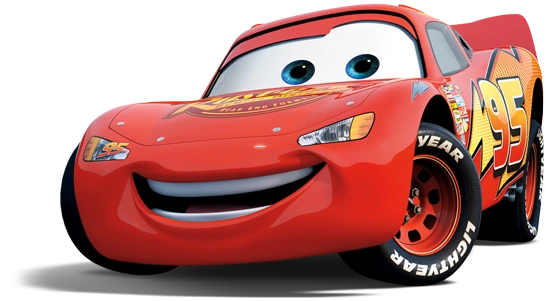
Lightning McQueen is not just an animated race car. He is one of the most recognizable automotive characters ever created, blending real motorsport inspiration with storytelling charm.
From his sleek red body to his confident personality, everything about him feels familiar to car lovers, yet slightly different from any single real-world vehicle. That mix is intentional. When Pixar created Lightning McQueen for the Cars franchise, the goal was not to copy one specific model, but to design a believable race car that felt authentic to motorsports fans while still fitting an animated world.
Over the years, many viewers have asked the same question: what kind of car is Lightning McQueen really supposed to be? Some say he looks like a Corvette, others see NASCAR DNA, while a few point to classic Le Mans racers.
The truth sits somewhere in between. Lightning McQueen is a carefully engineered blend of multiple racing influences, shaped by real automotive history, modern stock car racing, and imaginative design choices.
Understanding what he represents requires looking at his body, his racing series, his performance traits, and the creative decisions behind his design.
Lightning McQueen’s Racing Identity
Fictional Series With Real Roots
Lightning McQueen competes in the Piston Cup, a fictional racing league inspired heavily by American stock car racing. The structure, rules, and presentation closely resemble NASCAR, including oval tracks, pit crews, sponsorship culture, and championship formats. His racing world mirrors real-life motorsports closely enough that fans instantly recognize the connection.
The Piston Cup cars are purpose-built race machines, not street cars. That places Lightning McQueen firmly in the category of a professional stock car rather than a modified production vehicle.
Stock Car Classification
From a technical standpoint, Lightning McQueen is best described as a next-generation stock car. Stock cars are designed for high-speed oval racing, durability, and close competition. They prioritize aerodynamic efficiency, engine power, and chassis rigidity over everyday usability.
Although his body looks smooth and stylized, his racing role aligns with modern NASCAR Cup Series vehicles.
Design Influences Behind Lightning McQueen
NASCAR Stock Car Influence
The strongest influence comes from NASCAR race cars. His low stance, wide body, front splitter, and rear spoiler all match the visual language of stock car racing. His racing number, sponsorship decals, and pit stop behavior further reinforce this identity.
Pixar worked closely with NASCAR consultants to ensure authenticity in racing details.
Corvette And American Sports Car Inspiration
Lightning McQueen’s curves and proportions draw inspiration from American sports cars, especially the Chevrolet Corvette. The long hood, muscular fenders, and aggressive nose resemble Corvette styling cues, particularly from early 2000s models.
This influence adds visual appeal and makes him look more exotic than a traditional boxy stock car.
Le Mans And Prototype Touches
Some elements of Lightning McQueen’s design echo endurance racing prototypes. His smooth roofline, rounded rear, and aerodynamic shaping feel closer to Le Mans-style race cars than pure stock cars.
This blend helps him look fast even when standing still.
Body Style And Technical Characteristics
Custom-Built Race Chassis
Lightning McQueen does not have a production car equivalent. He is built on a custom racing chassis designed specifically for competition. Like real stock cars, his body panels are shaped for aerodynamics rather than passenger comfort.
There are no doors, trunk space, or interior features meant for daily use.
Engine Representation
While the Cars movies never fully detail engine specifications, Lightning McQueen is portrayed as using a high-performance V8 engine, consistent with stock car racing traditions. His sound, acceleration, and top speed behavior all reflect a powerful naturally aspirated racing engine.
This aligns with NASCAR’s long-standing V8 heritage.
Rear-Wheel Drive Layout
His driving behavior suggests a rear-wheel-drive configuration. Power delivery, cornering style, and handling characteristics match what would be expected from a high-powered rear-drive race car.
This setup suits oval racing and high-speed control.
Evolution Across The Cars Movies
Original Cars Film Design
In the first Cars movie, Lightning McQueen is presented as a dominant, confident rookie. His design emphasizes speed, arrogance, and raw performance. His body is smoother and more exaggerated compared to other racers, symbolizing his star status.
He represents the future of racing within the story.
Changes In Cars 2
In Cars 2, Lightning McQueen’s design remains largely the same, but his role shifts. He competes internationally, highlighting how his stock car roots differ from global racing styles.
This contrast reinforces his American racing identity.
Cars 3 And Next-Gen Racers
Cars 3 introduces next-generation race cars that are more advanced aerodynamically. Lightning McQueen’s design is intentionally shown as older by comparison. This reflects real-world motorsports evolution, where new designs replace older ones.
His struggles emphasize how quickly racing technology changes.
Is Lightning McQueen Based On A Specific Real Car
Not A Direct Copy
Lightning McQueen is not a direct copy of any single real vehicle. He is not a Corvette, not a Camaro, and not an actual NASCAR model. Instead, he is a composite creation.
Pixar avoided tying him to one manufacturer to keep the character timeless and universally appealing.
Inspiration Rather Than Replication
The design team studied multiple race cars, sports cars, and racing series. They selected features that communicated speed, confidence, and American racing heritage.
This approach allowed creative freedom without brand limitations.
Why That Choice Matters
By avoiding a single real-world model, Lightning McQueen remains relevant even as automotive design trends change. He does not age the same way a real car would.
That flexibility contributes to his lasting popularity.
Lightning McQueen Compared To Real NASCAR Cars
Visual Differences
Real NASCAR cars are more angular and standardized. Lightning McQueen appears sleeker and more expressive, which suits animation and character storytelling.
Animation exaggerates features to convey emotion.
Performance Representation
His performance is dramatized for storytelling. While real stock cars are incredibly fast, Lightning McQueen’s feats are heightened to serve narrative tension.
Movies prioritize story over realism.
Personality Through Design
Unlike real race cars, Lightning McQueen’s design supports facial expressions and emotional storytelling. His windshield eyes and mouth placement influence body proportions.
This necessity shapes his overall appearance.
Cultural Impact And Automotive Legacy
Influence On Car Enthusiasts
Lightning McQueen introduced many young viewers to racing culture. His character sparked interest in motorsports, pit crews, and racing teamwork.
He serves as an entry point into car enthusiasm.
Merchandise And Replicas
Numerous die-cast models, toys, and display replicas exist, often marketed as race cars rather than street vehicles. This reinforces his racing identity.
Collectors treat him like a motorsport icon.
Recognition Beyond Animation
Lightning McQueen is recognized even by people unfamiliar with cars. His design communicates speed and competition instantly.
That clarity is a design success.
Common Misunderstandings About Lightning McQueen
Many believe Lightning McQueen is a Corvette because of his curves. Others think he is a NASCAR Camaro. Both assumptions miss the broader design intent.
He is not meant to represent a single manufacturer.
Another misconception is that he is a street-legal car. His role, design, and structure clearly place him in professional racing.
Why Lightning McQueen Feels So Real
Authentic Racing Details
Pixar paid close attention to racing procedures, terminology, and culture. This realism grounds the character.
Details create believability.
Balanced Design Choices
The mix of real inspiration and creative freedom results in a car that feels familiar but unique.
That balance keeps him iconic.
Emotional Connection
His personality, not just his design, makes him memorable. Confidence, growth, and humility define his journey.
Design supports storytelling.
Final Thoughts
Lightning McQueen is best described as a fictional American stock car with strong NASCAR roots, blended with sports car styling and prototype-level aerodynamics. He is not a direct copy of any real vehicle, but rather a thoughtful combination of racing influences shaped to serve both realism and animation. His body reflects speed, his racing series mirrors real motorsports, and his evolution across the Cars films parallels real-world racing change.
By avoiding a single real-world model, Pixar created a character that remains timeless and relatable to car enthusiasts of all ages. Lightning McQueen represents the spirit of American racing more than any specific badge or model. That is why, years after his debut, the question of what kind of car he is still sparks curiosity and conversation.