Stories about public figures often circulate online before they are verified. Recently, claims have appeared suggesting that former congressman and television commentator Trey Gowdy was involved in a serious vehicle accident.
A review of reporting from major national and international news organizations shows no credible confirmation of a recent crash resulting in serious injury. Established outlets such as the Associated Press, Reuters, The New York Times, BBC, and other reputable local publications have not published verified reports supporting these claims.
While various blogs, social media posts, and low-credibility websites have repeated the allegation, repetition alone does not confirm accuracy. In cases involving public figures, verified coverage from established news organizations or statements from official representatives typically appears quickly when an incident is legitimate.
The absence of reliable reporting strongly suggests that the circulating claims remain unverified. This highlights a broader issue: misinformation about well-known individuals can spread rapidly online, especially when shared without confirmation from authoritative sources.
Where the “accident” stories are coming from — and how to spot weak sources
When we traced the claim, it mainly showed up on smaller blogs, rumor sites and social feeds that often repackage hearsay or misinterpreted items. Those sites will often use click-oriented headlines and republish content without established editorial standards.
Snopes and fact-checking archives show there’s a history of misleading or fabricated items circulating about Trey Gowdy in past years; reputable fact-checkers track similar behavior for many public figures.
By contrast, when real incidents involving public figures happen (medical emergencies, criminal charges, serious crashes), you’ll typically see same-day reporting from at least one major news wire (e.g., Reuters, AP) and follow-up articles from local newspapers; official spokespeople or verified social accounts will often post a statement as well.
How We looked for verification
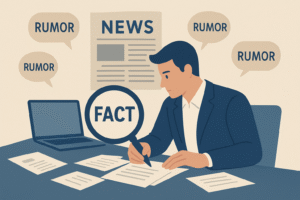
If you want to check a claim quickly and responsibly, here’s the exact process we follow. Try it before you share anything:
- Search major news wires first.
We checked Reuters, AP, NYTimes, BBC and other national outlets for reports about a Trey Gowdy car accident. Major incidents almost always show up here first. (If nothing appears, flag the claim as unverified and continue investigating. - Check respected fact-checking sites.
Visit Snopes, FactCheck.org, PolitiFact and similar organizations. They often identify and debunk viral hoaxes and will cite primary sources when they can. For Gowdy, these trackers record a pattern of false claims circulating about him in the past. - Look for primary sources and official statements.
Search verified social accounts (e.g., Trey Gowdy’s official X/Twitter account) and the official pages of any organization he’s affiliated with. Public spokespeople, family statements, or official press releases are the best confirmation. - Local press and police records.
If the incident is said to have occurred in a particular county or city, check local newspapers and the relevant sheriff’s office or police blotter. Local outlets often publish the first factual accounts. (No such local reporting turned up that supported the social posts we saw.) - Find multiple independent corroborations.
One small blog post is not confirmation. Look for multiple independent outlets reporting the same verified facts (quotes from police, hospital, or an official representative). - Reverse-image searches for photos.
If a photo accompanies the claim, use reverse image search (Google Images, TinEye) to verify if the image is new or being reused from an unrelated event. - Check timestamps and archival footprints.
Look at when the story first appeared and how it spread. Viral hoaxes often originate from a single unverified post and then amplify via social sharing. - When in doubt, pause before sharing.
If you can’t verify with reputable sources, treat the item as unconfirmed and don’t amplify it.
Why false or unverified claims about incidents spread so easily
From my experience following media coverage and online trends, several dynamics explain why these stories get traction:
- Rapid social sharing: A short, dramatic claim spreads faster than a careful, sourced correction.
- Confirmation bias: People more readily share stories that fit their existing beliefs or interests.
- Low barrier to publishing: It’s easy to create a site or social post that looks authoritative even when it isn’t.
- Lack of media literacy: Many users don’t check sources or understand how news verification works.
That combination makes it simple for an unverified claim to appear credible at first glance.
A neutral overview of what is publicly known about Trey Gowdy
For readers who want context rather than gossip: Trey Gowdy is a well-known former U.S. representative, prosecutor and media figure. His public profile, speeches, and major news items are covered in mainstream media and his background is summarized in widely used reference sites such as Wikipedia and FactCheck.org.
When legitimate news breaks about him, it’s typically reported by major outlets and archived in the public record. For non-emergency biographical information or documented public incidents in his career, those are the places to check first.
If an actual incident were to occur — what true reporting usually looks like
When an authentic accident or medical emergency involving a public figure happens, the typical pattern is:
- Initial authoritative report (local police, AP/Reuters wire, hospital statement)
- Follow-up coverage by national outlets with additional details and context
- Official confirmation (a spokesperson, family member, or the public figure’s verified account)
- Corrections and updates as more facts emerge
If you ever see a claim that lacks that pattern, treat it skeptically.
Practical tips to share responsibly
If you encounter an alarming social post about a public figure:
- Don’t forward it immediately.
- Run the quick checks above (major outlets + fact-checkers + official accounts).
- If you decide to mention it, frame it as “unconfirmed” and link to your sources.
- Avoid repeating graphic details that can’t be verified — repetition helps a rumor spread.
Final takeaways
We found no reliable, independently verified news reports from major media or official sources confirming that Trey Gowdy was recently in a serious car accident.
The claims we found were published on smaller, less reputable sites or social posts that lacked corroboration. When similar claims appear, they often turn out to be false, recycled, or misinterpreted.