Mercedes-Benz vehicles are known for refined engineering, advanced electronics, and strong build quality. When a Mercedes shows full electrical power but refuses to start, it can feel especially confusing and frustrating.
The dashboard lights up, the radio works, windows move smoothly, and yet the engine does nothing. For many owners, this situation raises immediate concern because it feels like the car is “alive” but unwilling to move.
This type of issue is more common than most drivers realize, especially in modern luxury vehicles that rely heavily on electronic systems. Starting a Mercedes today involves far more than just turning a key.
Multiple modules, sensors, security systems, and mechanical parts must work together in perfect sequence. If even one link in that chain fails, the engine may not start, even though power is clearly present.
Here we go through the real reasons behind this problem in simple, clear language. It walks through causes, warning signs, diagnostics, and solutions, helping you understand what is happening and what steps make sense next.
What It Means When A Mercedes Has Power But Will Not Start
When a Mercedes has power but won’t start, it means the electrical system is active but the engine is not engaging. This usually indicates that the battery is supplying enough voltage to run accessories, but something is preventing the engine from cranking or firing.
Power reaching lights and electronics does not guarantee enough power or proper signals for engine startup. Starting requires precise coordination between the battery, starter motor, ignition system, fuel delivery, and multiple electronic control units.
The key takeaway is that this condition is not a single failure. It is a category of problems with several possible causes, some simple and others more complex.
Why Mercedes Vehicles Are More Sensitive To Starting Issues
Mercedes vehicles use advanced electronics compared to many other brands. Systems such as electronic steering locks, smart keys, immobilizers, and multiple control modules must all communicate correctly.
If one system does not authorize engine start, the car will remain silent, even with full interior power. This design improves security and safety but also increases sensitivity to voltage drops, sensor errors, and software issues.
As a result, Mercedes models can show normal electrical behavior while blocking engine startup for protection or fault prevention.
Battery Condition Beyond Just Power
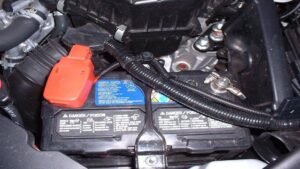
One of the most misunderstood aspects of starting problems is battery condition. A battery can appear healthy because lights and screens work, but still be unable to supply enough current for starting.
Starting an engine requires a high surge of power. If the battery is weak, aged, or internally damaged, it may fail under load while still powering accessories.
In Mercedes vehicles, low voltage can also confuse control modules. Even a small voltage drop during startup can trigger system lockouts, preventing the engine from cranking.
Starter Motor And Starter Relay Issues
If you turn the key or press the start button and hear a click or nothing at all, the starter system may be involved. The starter motor is responsible for physically turning the engine during startup.
A failing starter can receive power but fail to engage. In some cases, the starter relay may be faulty, preventing power from reaching the starter motor.
Mercedes starters are durable, but wear, heat, and age eventually take their toll. Intermittent starting problems often point toward early starter failure.
Electronic Steering Lock Malfunctions
Many Mercedes models use an electronic steering lock instead of a traditional mechanical one. This system must unlock successfully before the engine is allowed to start.
If the steering lock fails, the car may show power but refuse to crank. Warning messages may appear, or the steering wheel may remain locked.
This issue is especially common in certain older Mercedes models and often requires specialized repair or module replacement.
Key Fob And Authorization Problems
Mercedes uses advanced key systems that communicate wirelessly with the vehicle. If the car does not recognize the key correctly, it will not allow the engine to start.
A weak key fob battery can cause communication failures. Even though the car unlocks, the authorization signal may not be strong enough for starting.
In some cases, the key itself may be damaged or desynchronized, requiring reprogramming by a professional.
Immobilizer System Interference
The immobilizer is designed to prevent unauthorized engine startup. If it detects anything unusual, it disables the starting process.
Faulty sensors, wiring issues, or software errors can cause the immobilizer to activate incorrectly. When this happens, the engine remains disabled even though power is present.
This system operates silently, which is why the problem often feels mysterious to owners.
Ignition Switch And Start Button Failures
The ignition switch or start button is the command center for startup. When it fails internally, it may send incomplete or incorrect signals.
In some cases, accessories turn on, but the signal to crank the engine never reaches the starter system.
Wear over time, electrical faults, or internal component failure can all affect this system.
Fuel System Issues That Block Startup
An engine needs fuel, air, and spark to start. If fuel delivery is interrupted, the engine may crank but fail to start, or not respond at all.
A failing fuel pump, clogged fuel filter, or faulty fuel pressure sensor can prevent fuel from reaching the engine.
In Mercedes vehicles, fuel system problems often trigger warning lights, but not always immediately.
Crankshaft And Camshaft Sensor Failures
These sensors tell the engine computer where the engine components are positioned. Without this information, the computer cannot control ignition timing or fuel injection.
If one of these sensors fails, the engine may refuse to start even though power is available.
Sensor failures can occur suddenly or intermittently, making diagnosis more challenging.
Fuse And Control Module Concerns
Modern Mercedes vehicles rely on multiple fuses and control modules. A single blown fuse or malfunctioning module can interrupt the starting process.
Because power is distributed across different systems, some functions may work while others do not.
Checking fuses is a simple first step, but module issues often require professional diagnostic equipment.
Software And Communication Errors
Mercedes vehicles depend heavily on software. Updates, glitches, or communication errors between modules can block startup.
Low battery voltage, jump-starting incorrectly, or electrical repairs can sometimes trigger software-related issues.
In some cases, a software reset or update resolves the problem without replacing parts.
Environmental And Temperature Effects
Extreme cold can reduce battery performance and thicken engine oil, making starting more difficult.
Heat can affect electronic components and sensors, especially in older vehicles.
While the environment alone rarely causes complete no-start conditions, it can worsen underlying issues.
Step-By-Step Basic Checks Owners Can Do
Start by checking battery voltage and condition, not just whether lights turn on. Inspect battery terminals for corrosion or looseness.
Try using a spare key if available. Replace the key fob battery as a precaution.
Listen carefully when attempting to start. Clicking, silence, or cranking without firing all point to different causes.
When Professional Diagnosis Is Necessary
If basic checks do not resolve the issue, professional diagnostics are essential. Mercedes systems require specialized scanners to read fault codes accurately.
Guessing or replacing parts without proper diagnosis often leads to unnecessary expense.
A trained technician can identify whether the issue is mechanical, electrical, or software-related.
Repair Costs And What To Expect
Costs vary widely depending on the cause. Battery replacement is relatively inexpensive. Starter or sensor repairs fall in the mid-range.
Electronic steering lock or control module repairs can be more costly due to parts and programming.
Understanding the root cause helps set realistic expectations and avoid surprises.
Preventive Measures To Reduce Future Issues
Regular battery testing is one of the most effective preventive steps. Replacing the battery before it fails avoids many electronic issues.
Keeping software up to date and addressing warning messages early helps maintain system reliability.
Using quality replacement parts and professional service protects long-term performance.
Common Misunderstandings About No-Start Problems
Many owners assume that power means the battery is fine. In reality, starting demands far more energy than accessories.
Another misconception is that no-start always means engine failure. In most cases, the engine itself is mechanically sound.
Understanding these points reduces stress and leads to better decision-making.
Final Thoughts
When a Mercedes has power but won’t start, the problem is rarely simple, but it is usually solvable. The combination of advanced electronics and precise engineering means that small issues can prevent startup as a protective measure.
By understanding how the system works, recognizing common causes, and following a logical diagnostic approach, owners can avoid panic and unnecessary repairs. With the right information and professional support when needed, this issue can be resolved efficiently and correctly, restoring confidence in both the vehicle and the ownership experience.