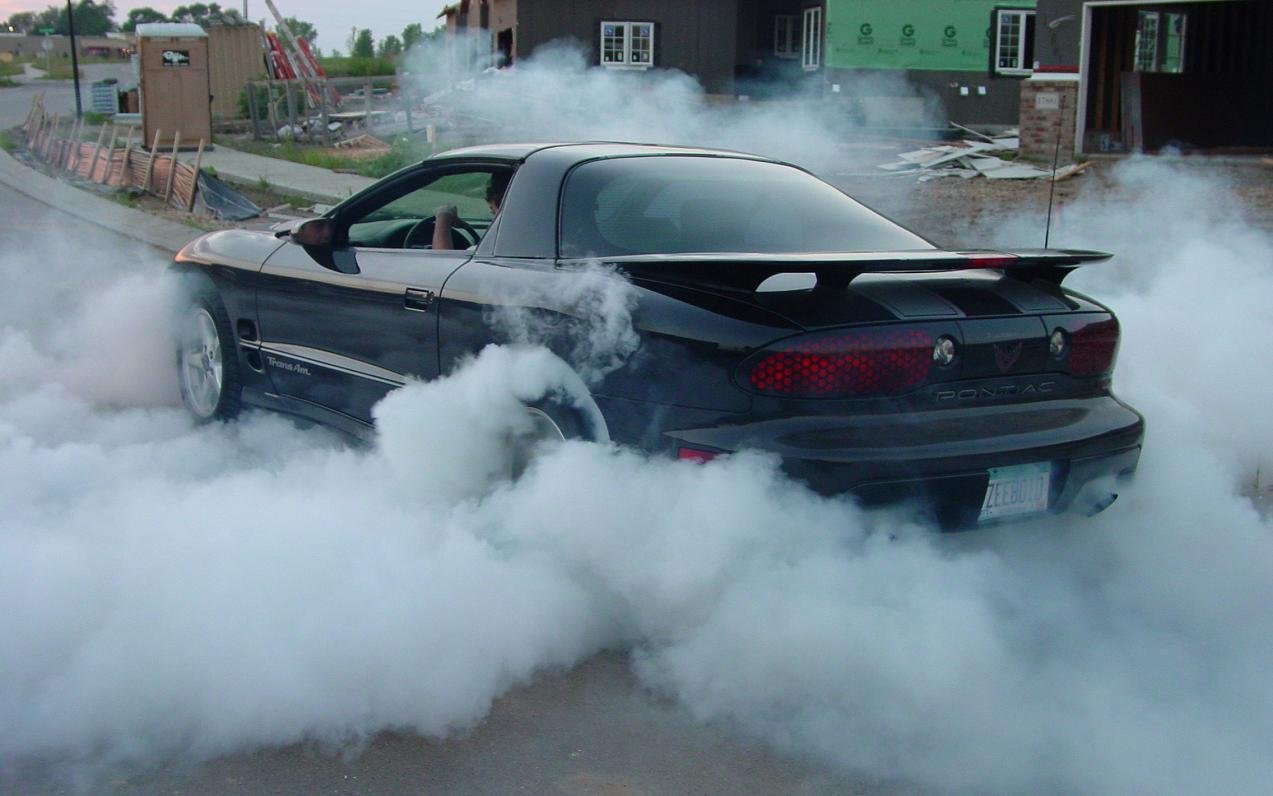
Burnouts have long been part of car culture, motorsport imagery, and mechanical curiosity. The sight of spinning tires and rising smoke is dramatic, but behind that moment sits a mix of physics, drivetrain design, and driver input.
In manual cars, the process is widely understood, yet automatic transmissions raise far more questions. Many drivers assume burnouts are either impossible or harmful in automatics, while others attempt them without realizing what is happening inside the transmission.
Automatic vehicles operate differently from manuals. Torque converters, electronic controls, traction systems, and brake logic all influence how power reaches the wheels. Because of that, the same approach used in a manual car does not apply.
Without preparation and mechanical awareness, an automatic burnout attempt can stress components, overheat fluids, or trigger electronic shutdowns.
A clear explanation of how burnouts work in automatics helps separate controlled mechanical behavior from random abuse.
When approached with respect for the vehicle, proper setup, and legal awareness, the topic becomes less about reckless action and more about how automatic drivetrains respond to load, traction, and torque.
How Burnouts Work In Automatic Transmissions
Burnouts rely on overpowering tire grip while holding the vehicle stationary. In automatics, this process depends heavily on drivetrain design.
Role Of The Torque Converter
Automatic transmissions use a torque converter instead of a clutch. This component allows the engine to spin while the vehicle remains stopped. When throttle is applied, the converter multiplies torque and transfers it to the transmission input shaft.
During a burnout, the torque converter absorbs and transfers load continuously. Excessive heat builds quickly if the converter is forced to slip for too long.
Power Flow To The Drive Wheels
Burnouts are easiest in rear-wheel-drive vehicles because power is sent to the rear tires while the front brakes hold the vehicle.
Front-wheel-drive and all-wheel-drive cars behave differently due to shared braking and power paths.
Electronic Throttle And Control Systems
Modern automatics use electronic throttle control, traction control, and stability systems. These systems are designed to reduce wheel spin, not encourage it.
Without intervention, they will cut power or apply brakes automatically.
Vehicle Types And Burnout Behavior
Not all automatic vehicles respond the same way.
Rear-Wheel-Drive Automatics
Rear-wheel-drive automatics are mechanically suited for burnouts. The front brakes can hold the car while power spins the rear tires.
These vehicles respond most predictably, especially older models with fewer electronic restrictions.
Front-Wheel-Drive Automatics
Front-wheel-drive automatics are not well suited for burnouts. The same wheels that provide power also rely on braking to hold the car.
Attempts usually result in wheel hop, drivetrain stress, or electronic intervention rather than clean tire spin.
All-Wheel-Drive Automatics
All-wheel-drive systems distribute power across multiple wheels. Most are programmed to prevent sustained wheel spin.
Burnouts in these vehicles often lead to drivetrain binding, overheating, or system shutdown.
Preparation Before Attempting A Burnout
Preparation is what separates controlled mechanical action from damage.
Choosing A Proper Location
Burnouts should only be performed in controlled environments such as private property, closed tracks, or motorsport facilities.
Public roads introduce legal risk, safety hazards, and unpredictable surfaces.
Inspecting Tires And Brakes
Worn or uneven tires behave unpredictably. Brakes must be in good condition to hold the vehicle steady.
Weak brakes increase stopping distance and reduce control.
Monitoring Transmission And Engine Health
Fresh transmission fluid, proper cooling, and a healthy engine are essential.
Burnouts generate heat rapidly, especially in automatics.
Disabling Traction And Stability Systems
Most vehicles require traction control to be turned off to allow wheel spin.
Some systems require multiple steps or specific driving modes to reduce intervention.
General Burnout Techniques In Automatics
Automatic burnouts rely on controlled brake pressure and throttle input rather than clutch manipulation.
Brake And Throttle Balance
The driver applies firm pressure to the brake pedal while gradually increasing throttle.
The goal is to hold the vehicle stationary while allowing the driven wheels to spin.
Managing Engine Speed
High engine speed increases heat and stress. Controlled throttle application produces smoother results and reduces risk.
Sustained redline operation should be avoided.
Duration Control
Short bursts reduce mechanical strain. Long burnouts dramatically increase transmission and differential temperatures.
Most mechanical damage occurs from excessive duration, not brief tire spin.
Releasing The Burnout Smoothly
Abrupt throttle lift or brake release shocks the drivetrain.
Smooth transitions protect mounts, axles, and gears.
Risks And Mechanical Consequences
Burnouts are mechanically demanding, especially for automatics.
Transmission Fluid Overheating
Automatic transmissions rely on fluid for cooling and lubrication. Excessive heat breaks down fluid quickly.
Overheated fluid leads to slipping, delayed shifts, and internal wear.
Torque Converter Stress
Prolonged converter slip generates extreme heat.
Repeated abuse shortens converter life significantly.
Differential And Axle Load
Spinning tires under load stresses axles, CV joints, and differentials.
Weak components fail suddenly and expensively.
Tire And Brake Wear
Burnouts consume tire tread rapidly and place heavy demand on brakes.
Premature wear should be expected.
Electronic Limits In Modern Automatics
Modern vehicles actively resist burnout behavior.
Brake Torque Management
Some cars reduce engine output when brakes and throttle are applied together.
This feature protects drivetrains from misuse.
Transmission Protection Logic
Transmission control modules monitor temperature and load.
If limits are exceeded, power reduction or limp modes activate.
Stability Control Intervention
Even when traction control is disabled, stability systems may still intervene at extreme slip angles.
Full disengagement is rare in newer vehicles.
Safer Performance Alternatives
Burnouts are not the only way to explore vehicle behavior.
Track Days And Performance Driving Events
Closed-course events allow drivers to experience controlled wheel spin under supervision.
These environments reduce risk and provide learning opportunities.
Drag Strip Launch Practice
Drag strips are designed for controlled acceleration and traction experimentation.
Staff and safety equipment are present.
Data-Based Performance Testing
Monitoring engine load, transmission temperature, and tire behavior offers insight without excessive stress.
Modern tools make this accessible.
Legal And Responsibility Considerations
Burnouts carry real-world consequences outside mechanical wear.
Legal Restrictions
Many jurisdictions classify burnouts as reckless driving.
Fines, license suspension, and vehicle impoundment are common penalties.
Safety Of Bystanders
Tire debris, loss of control, and unexpected mechanical failure pose serious risk to others.
Controlled environments reduce these dangers.
Insurance Implications
Damage resulting from burnouts may not be covered by insurance policies.
Claim denial is common when misuse is evident.
Common Myths About Automatic Burnouts
Misconceptions lead to mistakes.
“Automatics Cannot Do Burnouts”
Many rear-wheel-drive automatics can spin tires under the right conditions.
The limitation lies in control systems, not transmission type.
“Short Burnouts Cause No Damage”
Even brief burnouts generate heat and wear.
Damage risk increases with repetition.
“Turning Off Traction Control Removes All Limits”
Some protective systems remain active regardless of driver settings.
Manufacturers prioritize drivetrain longevity.
Long-Term Impact On Vehicle Value
Burnouts leave lasting marks beyond tire smoke.
Reduced Component Lifespan
Transmission, differential, and axle wear accelerates.
Future repairs become more likely.
Diagnostic Evidence
Modern vehicles store temperature and load data.
Service technicians can often identify abuse.
Resale And Trade-In Concerns
Visible wear, uneven tires, and drivetrain noise reduce resale value.
Burnout history rarely adds value.
Final Thoughts
Burnouts in automatic vehicles are not about brute force or copying manual transmission techniques. They revolve around torque converter behavior, brake balance, electronic control limits, and heat management. Without respect for these systems, damage happens quickly and often silently.
Approached with mechanical awareness, short duration, and controlled conditions, the subject becomes a study of how automatic drivetrains respond under extreme load rather than an act of random abuse. The difference lies in preparation, restraint, and environment.
Every automatic vehicle has limits designed to protect longevity and safety. Respecting those limits preserves performance, reliability, and ownership satisfaction long after the smoke clears.