Remote start has quietly moved from a luxury feature into something many drivers now expect, especially in regions with extreme heat or cold. The ability to start a vehicle from a distance, let the engine warm up or cool down the cabin, and step into a more comfortable interior sounds simple.
Yet when people begin researching the cost, they quickly realize there is no single price. Quotes range from surprisingly affordable to unexpectedly high, often without clear explanation. The reason for this wide spread is that remote start systems are not all the same.
Vehicle electronics, security systems, installation complexity, range, smartphone integration, and factory compatibility all influence the final cost. In some cases, the remote start itself is only part of the expense. Labor, programming, and additional modules can significantly change the total.
Understanding what goes into the price helps separate fair estimates from unrealistic expectations. This breakdown looks at remote start cost in practical terms, explains where the money goes, and clarifies when paying more actually delivers value rather than just features you may never use.
Average Cost Of Remote Start Systems
Typical Price Range For Most Vehicles
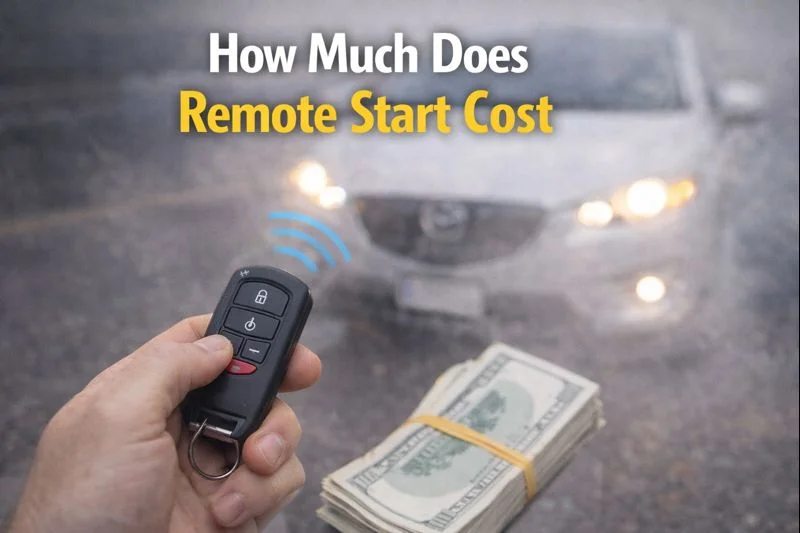
For most passenger vehicles, the total cost of adding a remote start system usually falls between $300 and $700. This range includes the remote start unit, basic installation, and standard programming. Many drivers fall comfortably within this bracket, especially when choosing a mid-range aftermarket system.
Lower-cost options exist, but they often involve limited range or compatibility. Higher-cost setups usually include advanced features such as smartphone control or extended range remotes.
Factory Installed Versus Aftermarket Pricing
Factory remote start systems, when added at the dealership, typically cost more. Pricing commonly ranges from $500 to $1,200, depending on the brand and vehicle model. The higher price reflects brand-specific components, dealer labor rates, and factory integration.
Aftermarket systems are generally more flexible and often less expensive. They are installed by independent shops and can be tailored to the vehicle and budget.
Cost Difference Between Basic And Advanced Systems
A basic remote start system using a standard key fob with limited range may sit near the lower end of the price scale. Advanced systems with long-range remotes, two-way confirmation, or smartphone control push the price upward.
The difference is not only in features but also in the complexity of installation and system programming.
What Factors Have The Biggest Impact On Cost
Vehicle Make, Model, And Year
Modern vehicles use complex electronic systems that communicate across multiple modules. Some vehicles accept remote start integration easily, while others require additional interface modules.
Luxury vehicles and newer models often require more time and specialized hardware, which increases labor costs.
Key Type And Security System Design
Vehicles with traditional keys are usually simpler to work with. Push-button start systems, smart keys, and advanced immobilizers add layers of security that must be bypassed safely.
This additional work increases both parts cost and installation time, directly affecting the final price.
Manual Versus Automatic Transmission
Remote start is most commonly installed on automatic transmissions. Manual transmission vehicles require extra safety systems to prevent unintended movement.
Because of these added safeguards, remote start installation on manual vehicles costs more and may not be available for all models.
Range And Control Method
Standard remotes usually offer a few hundred feet of range. Long-range remotes can reach a mile or more and cost significantly more.
Smartphone-controlled systems rely on cellular networks and often require subscription fees in addition to higher upfront cost.
Installation Cost And Labor Considerations
Why Installation Is Not Just Plug And Play
Installing a remote start involves integrating with ignition, security, and communication systems. Wires must be connected correctly, modules programmed, and safety systems tested.
Mistakes can trigger warning lights, disable security features, or cause electrical problems. Skilled installation is critical.
Labor Time And Shop Rates
Installation time typically ranges from 2 to 5 hours, depending on vehicle complexity. Labor rates vary by region but usually range from $75 to $150 per hour.
This labor makes up a large portion of the total cost, especially on vehicles with advanced electronics.
Importance Of Professional Installation
While DIY kits exist, improper installation can void warranties or create safety risks. Professional installers use vehicle-specific wiring data and programming tools.
Paying for expertise reduces the risk of electrical damage and ensures long-term reliability.
Features That Increase Or Decrease Total Cost
Two-Way Remotes And Confirmation Feedback
Two-way remotes confirm whether the vehicle successfully started. This added feedback increases convenience but also increases cost.
The additional electronics and programming raise the overall price.
Smartphone Integration And Subscription Fees
App-based remote start systems allow control from virtually anywhere. These systems often require a monthly or annual subscription.
The initial installation cost is higher, and ongoing fees should be considered when budgeting.
Climate Control Integration
Some systems integrate with climate control settings, activating heated seats or defrosters automatically.
This feature increases programming complexity and cost but improves comfort significantly in extreme weather.
Additional Vehicle Control Features
Remote start systems can be bundled with remote locking, trunk release, alarm systems, and vehicle tracking.
Bundled features raise the initial price but may replace other aftermarket accessories.
Long-Term Cost And Value Considerations
Impact On Vehicle Wear And Fuel Use
Remote starting allows the engine to reach operating temperature gradually. While fuel is used during warm-up, modern engines manage this efficiently.
Long-term engine wear is generally not increased when used responsibly.
Warranty And Insurance Implications
Professional installations typically preserve vehicle warranty when done correctly. Some insurance providers may offer discounts for vehicles with added security features.
Improper installation, however, can create warranty disputes.
Resale Value And Buyer Appeal
Remote start can increase vehicle appeal, especially in colder climates. While it may not add full resale value equal to its cost, it can improve buyer interest.
Factory-style integration often looks more appealing than poorly installed aftermarket systems.
Common Misunderstandings About Remote Start Cost
Assuming The System Price Is The Total Price
Many people focus on the advertised price of the remote start unit and overlook installation, programming, and additional modules.
The final installed cost is what matters.
Believing All Vehicles Cost The Same
Each vehicle presents unique challenges. What costs $350 on one car may cost $750 on another due to electronics and security design.
Comparisons should always be vehicle-specific.
Expecting Smartphone Control Without Extra Cost
App-based systems almost always involve higher upfront cost and recurring fees.
Understanding this upfront avoids disappointment later.
Choosing The Right Option For Your Budget
When A Basic System Makes Sense
Drivers who want simple engine start functionality without long range or app control often find basic systems ideal.
These systems offer strong value without unnecessary expense.
When Premium Features Are Worth Paying For
Long-range control and smartphone access are valuable for people who park far from their vehicle or live in extreme climates.
The added convenience may justify the extra cost.
Questions To Ask Before Installation
Asking about total installed price, warranty coverage, subscription fees, and system compatibility helps avoid surprises.
Clear communication ensures expectations match results.
Regional Price Differences And Market Trends
Urban Versus Rural Pricing
Urban areas often have higher labor rates and shop overhead, which increases cost.
Rural areas may offer lower pricing but fewer installation options.
Growing Demand And Technology Changes
Remote start demand continues to rise, especially with app-based systems. As technology improves, pricing may stabilize, but complexity remains.
Staying informed helps buyers choose wisely.
Final Thoughts
The cost of adding remote start depends on far more than the system itself. Vehicle design, security features, installation complexity, and desired functionality all shape the final number. For most drivers, a professionally installed remote start costs between $300 and $700, while advanced systems can exceed $1,000 when added through dealerships or paired with smartphone control.
Understanding where the money goes makes the decision easier. Paying for proper installation, compatibility, and reliability often matters more than chasing the lowest price. When chosen carefully, remote start delivers daily comfort and convenience that feels worthwhile long after the initial cost is forgotten.