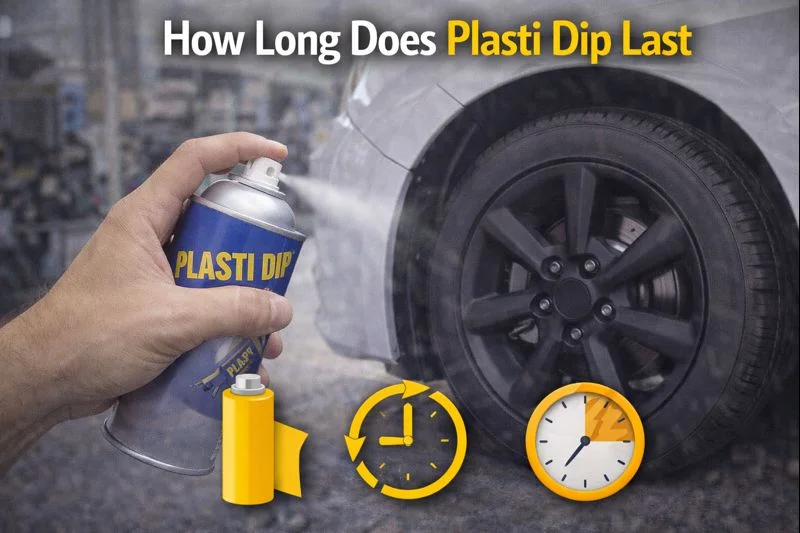
Plasti Dip has become a popular option for car owners who want to change the look of their vehicle without committing to permanent paint. From blacked-out wheels to color-shift body panels, it offers flexibility that traditional paint does not. The appeal is simple: spray it on, enjoy the new appearance, and peel it off later if desired.
But durability remains the biggest question. Some drivers report years of solid performance, while others notice peeling or fading within months. The truth lies somewhere in between and depends heavily on preparation, application technique, environmental exposure, and maintenance habits.
Unlike automotive paint, Plasti Dip is a rubberized coating designed to be removable. That makes longevity different from factory finishes. Knowing how long it realistically lasts — and how to extend its life — helps owners decide whether it fits their goals and expectations.
What Determines How Long Plasti Dip Lasts
Surface Preparation And Application Thickness
The lifespan of Plasti Dip starts long before the first coat dries. Proper surface preparation plays a major role in durability. Dirt, wax, grease, or road contaminants prevent adhesion. If the surface is not thoroughly cleaned and dried, peeling may begin sooner than expected.
Application thickness also matters. Thin coats tend to tear, fade, and peel more quickly. Most professionals recommend applying multiple wet coats to build adequate thickness. When sprayed evenly and layered properly, the material becomes stronger and more resistant to weather exposure.
A well-prepared and properly applied coating can last significantly longer than a rushed or uneven job. Patience during application directly influences long-term results.
Climate And Environmental Exposure
Environmental conditions heavily affect longevity. Vehicles parked outdoors in intense sunlight face faster fading and surface breakdown due to ultraviolet exposure. Heat accelerates drying and aging of rubberized coatings.
Cold climates bring different challenges. Snow, road salt, and de-icing chemicals can stress the surface, especially on wheels and lower panels. Moisture trapped beneath edges may contribute to premature lifting.
Garaged vehicles generally see longer-lasting results because the coating avoids extreme temperature cycles and direct UV exposure. Climate consistency plays a larger role than many expect.
Average Lifespan On Different Vehicle Areas
Wheels And Brake Dust Exposure
Wheels are one of the most common areas treated with Plasti Dip. They also experience some of the harshest conditions. Brake dust, heat from braking systems, road debris, and curb contact all impact durability.
When applied correctly with sufficient thickness, Plasti Dip on wheels can last between one and three years under moderate use. However, aggressive driving, heavy brake dust accumulation, and frequent automatic car washes may shorten that timeframe.
Regular cleaning using gentle, non-abrasive methods helps preserve the coating. Harsh wheel cleaners containing strong solvents can degrade the rubberized surface faster than normal.
Full Body Applications
Full vehicle applications receive more balanced exposure compared to wheels. With professional installation and proper care, Plasti Dip on body panels can last two to four years before noticeable fading or peeling occurs.
Longevity improves when vehicles are hand washed instead of run through automatic brush systems. High-pressure washers directed too closely at edges may cause lifting.
While the coating remains removable, thicker professional applications often resemble matte paint finishes and maintain integrity for extended periods.
Trim And Emblems
Smaller areas such as emblems, trim pieces, or grilles often last longer because they face less direct abrasion. These areas may retain their appearance for several years with minimal maintenance.
Because trim pieces do not endure constant friction or high heat, the coating remains stable if applied evenly. Peeling usually occurs only if edges were not properly covered during installation.
Signs That Plasti Dip Is Reaching The End Of Its Life
Fading And Color Changes
Over time, exposure to sunlight may cause color dulling. Matte finishes may lose vibrancy, and darker shades can appear slightly gray or chalky. This is especially common in high UV regions.
Clear topcoats or protective layers can reduce fading, but eventual color change is natural for rubberized coatings. Cosmetic wear does not necessarily mean structural failure, but it indicates aging.
Edge Peeling And Surface Lifting
Edge peeling often begins near corners or sharp body lines where thickness may be inconsistent. Once lifting begins, moisture and debris can enter beneath the surface and accelerate removal.
Minor peeling can sometimes be trimmed or lightly resprayed. Larger sections typically require full removal and reapplication for best results.
Maintenance Practices That Extend Longevity
Washing And Cleaning Methods
Gentle hand washing using mild automotive soap helps preserve the coating. Avoid abrasive sponges or brushes that can scratch the surface.
Pressure washers can be used cautiously, but nozzles should remain several feet away from edges. Direct high-pressure spray aimed at seams may cause lifting.
Regular cleaning prevents buildup of contaminants that weaken surface integrity.
Protective Topcoats And Sealants
Some owners apply clear Plasti Dip glossifiers or compatible topcoats to add extra protection. These layers improve resistance to UV rays and environmental contaminants.
While not mandatory, topcoats can extend lifespan and enhance appearance. However, compatibility with base layers must be ensured to avoid chemical reactions.
Removal And Reapplication Considerations
One of the key advantages of Plasti Dip is its removability. When applied thickly, it can be peeled off in large sheets without damaging underlying paint.
If the coating becomes worn after several years, removal allows for fresh application or return to original paint. Proper initial application thickness makes removal easier. Thin layers may tear and require additional effort during removal.
Reapplication every few years may be expected for owners seeking consistent appearance.
Cost Versus Durability Balance
Compared to traditional paint jobs, Plasti Dip remains significantly less expensive. Full body professional applications cost far less than repainting, though they do not match the multi-decade durability of factory finishes.
For drivers wanting temporary color changes or seasonal styling adjustments, the shorter lifespan becomes acceptable given the lower cost and flexibility.
Durability aligns closely with expectations when viewed as a semi-permanent modification rather than a lifetime solution.
Where Things Stand
Plasti Dip typically lasts between one and four years depending on surface location, application quality, environmental exposure, and maintenance habits. Wheels often see shorter lifespans due to heat and debris, while body panels and trim may retain appearance longer.
Proper preparation, multiple thick coats, gentle washing methods, and protection from extreme weather significantly extend durability. While it cannot replace permanent automotive paint in longevity, it offers flexibility and cost efficiency that many owners value.
Approached with realistic expectations and proper care, Plasti Dip provides a durable yet removable styling solution that balances appearance with practicality.