Every car model is sold in multiple versions, and those versions can look almost identical at first glance. The difference often comes down to trim level. Trim determines what features your car has, how it was equipped from the factory, and sometimes even how much it is worth.
Many owners go years without knowing their exact trim until they need parts, insurance details, resale information, or repairs. That is when confusion starts. Two cars with the same model year and name can have very different equipment, and guessing the trim can lead to wrong parts, incorrect pricing, or misleading listings.
Trim level is not just about luxury or appearance. It affects safety systems, engine options, interior components, electronics, and even software compatibility. Knowing your trim helps you understand your car better and avoid costly mistakes.
The good news is that identifying your car’s trim is usually easier than it sounds. With the right approach, the answer can be found using information already tied to your vehicle. What follows is a clear, reliable way to identify your car’s trim without relying on guesswork or assumptions.
Understanding What A Car Trim Level Really Is
What Trim Means Beyond A Name
A trim level is a factory-defined package of features and options. Manufacturers use trims to group equipment together rather than selling every feature individually. One trim may include basic seating and manual controls, while another adds upgraded interiors, advanced safety systems, and technology features.
Trim names vary widely. Some brands use simple labels, while others rely on letters, numbers, or marketing terms. The name itself is less important than what it represents in terms of equipment.
Why Trim Levels Exist In The First Place
Trims allow manufacturers to appeal to different buyers without redesigning the entire vehicle. A single model can serve budget-focused buyers and premium buyers at the same time.
From an ownership perspective, trim levels determine how the car was built, not how it may have been modified later. That factory configuration is what matters most when identifying trim accurately.
The Most Reliable Ways To Find Your Car’s Trim
Using The Vehicle Identification Number
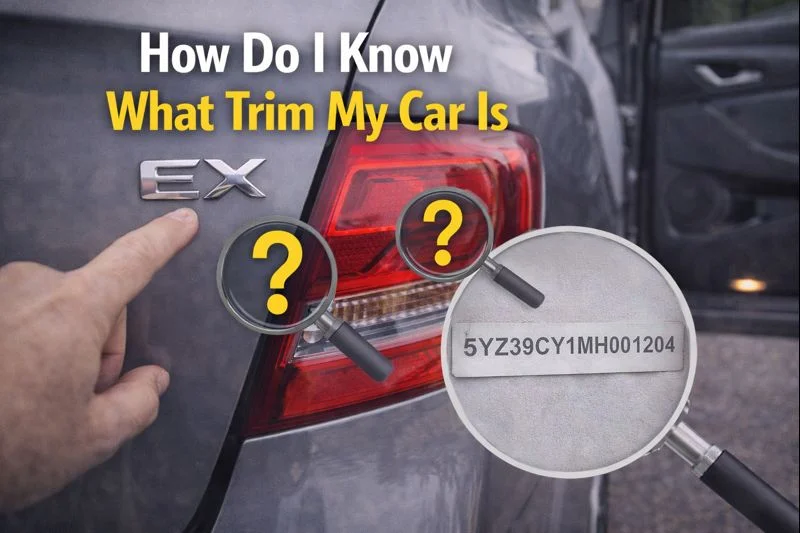
The Vehicle Identification Number, commonly called the VIN, is the most accurate tool for identifying trim. This unique code is assigned to your car at the factory and contains detailed build information.
The VIN can be found on the dashboard near the windshield, inside the driver-side door frame, or on official documents. When entered into a trusted vehicle lookup system, it reveals the original trim, engine, transmission, and factory-installed options.
This method removes uncertainty because it relies on manufacturer records rather than visual clues.
Checking Original Sales Or Registration Documents
Paperwork from when the car was purchased often lists the trim level. This may include the original window sticker, sales invoice, or purchase agreement.
Insurance and registration documents sometimes include trim details, especially if the vehicle was registered with full specifications. While not always complete, these records can provide strong confirmation.
Reviewing The Manufacturer Window Sticker
If available, the original window sticker is one of the clearest sources of trim information. It lists the trim name, standard features, optional packages, and pricing.
Some manufacturers allow owners to retrieve a copy of the window sticker using the VIN, even years later. This is especially helpful for used vehicle owners.
Identifying Trim Through Features And Equipment
Interior Features That Reveal Trim Differences
Interior details often vary significantly between trims. Seat material, seat adjustment type, infotainment screen size, climate control design, and steering wheel features can all point toward a specific trim.
For example, leather seating, dual-zone climate control, or premium audio systems are usually tied to higher trims. Manual seats, basic displays, and simpler controls often indicate base trims.
Exterior Clues That Matter
Exterior features also provide hints. Wheel size, alloy versus steel wheels, fog lights, roof rails, and chrome accents are commonly trim-specific.
Badging on the trunk or fenders sometimes displays trim names, though this is not always reliable due to owner modifications or badge removal.
Technology And Safety Systems As Indicators
Advanced safety features such as blind-spot monitoring, adaptive cruise control, or lane assist are often reserved for specific trims or packages.
If your car has factory-installed advanced driver assistance systems, it likely belongs to a higher trim or includes a premium package tied to a particular trim level.
Common Mistakes That Lead To Wrong Trim Identification
Relying Only On Visual Appearance
Two trims can look nearly identical from the outside. Paint color, wheels, or aftermarket accessories often mislead owners into assuming a higher trim than the car actually is.
Appearance alone is rarely enough to identify trim accurately.
Confusing Packages With Trim Levels
Option packages are not the same as trims. A base trim can sometimes be equipped with added packages that mimic features of higher trims.
Only the factory-assigned trim defines the car’s core configuration. Packages add features but do not change the underlying trim level.
Assuming Dealer Listings Are Always Correct
Used car listings frequently contain errors. Trim names are sometimes guessed or generalized to make listings more appealing.
Verification through VIN or official records is always safer than trusting a listing description.
Why Knowing Your Car’s Trim Is Important Long Term
Ordering The Correct Parts And Accessories
Many parts vary by trim, especially interior components, electronics, suspension systems, and safety equipment. Ordering parts without knowing trim can result in mismatches and returns.
Trim accuracy ensures compatibility and saves time and money.
Insurance, Valuation, And Resale Accuracy
Insurance rates and vehicle value are influenced by trim level. Higher trims often carry higher replacement costs due to added features.
When selling or trading in a vehicle, accurate trim identification prevents undervaluation or disputes.
Software Updates And Diagnostics
Modern vehicles rely on software. Trim level determines which modules and systems are present.
Correct trim information helps technicians diagnose issues properly and apply the right updates.
What To Do If Trim Still Seems Unclear
Contacting A Dealership With Your VIN
Dealerships can access manufacturer databases using the VIN. They can confirm trim details and original equipment accurately.
This service is often free and provides authoritative confirmation.
Using Trusted Automotive Databases
Several reputable automotive databases allow VIN decoding with detailed trim breakdowns. These sources are widely used by professionals and consumers alike.
Using multiple sources can help confirm results if there is any doubt.
Understanding Trim Names Across Brands
Why Trim Naming Can Be Confusing
Some manufacturers reuse trim names across different models or years. Others change naming conventions over time.
What was a mid-level trim one year may become a base or premium trim in another.
Focus On Features, Not Marketing Terms
Marketing names change, but features define trim substance. Understanding what equipment is present matters more than memorizing trim labels.
This mindset prevents confusion when comparing trims across model years.
Keeping A Record Of Your Car’s Trim
Why Documentation Helps Later
Once you confirm your trim, keeping a record simplifies future maintenance, insurance updates, and resale.
Saving a copy of the window sticker or VIN report ensures quick reference.
Final Thoughts
Knowing what trim your car is brings clarity to ownership. It explains why your vehicle has certain features, helps with accurate repairs, and protects value when selling or insuring the car. While trim names can feel confusing at first, reliable identification comes from using the right sources rather than guessing based on appearance.
The VIN remains the most accurate and dependable method, supported by official records and feature verification. Once trim is confirmed, decisions about parts, upgrades, and valuation become easier and more confident. Understanding trim is not about labels or status. It is about knowing how your car was built and using that knowledge to make smarter choices throughout ownership.