Few things are more frustrating than turning the key or pressing the start button in a Honda Civic and watching the dashboard light up perfectly — yet the engine refuses to fire. The radio works. The headlights shine brightly. Interior electronics respond normally. Still, the engine will not crank or start.
This situation often confuses drivers because electrical power appears available. Many assume the battery must be fine, but starting systems involve far more than battery voltage. The process requires coordination between ignition components, fuel delivery, starter motor engagement, engine sensors, and security systems.
When a Civic shows signs of power but fails to start, the issue typically lies somewhere in the cranking circuit, fuel system, ignition components, or anti-theft system. Proper diagnosis prevents unnecessary part replacement and helps pinpoint the exact cause quickly.
The key is understanding how the starting system works and where failures commonly occur.
Electrical Power Does Not Always Mean Starting Power
Why Dashboard Lights Can Be Misleading
A Honda Civic can display full electrical activity while still lacking the strength required to crank the engine. Accessories such as lights, infotainment systems, and interior electronics require far less power than the starter motor.
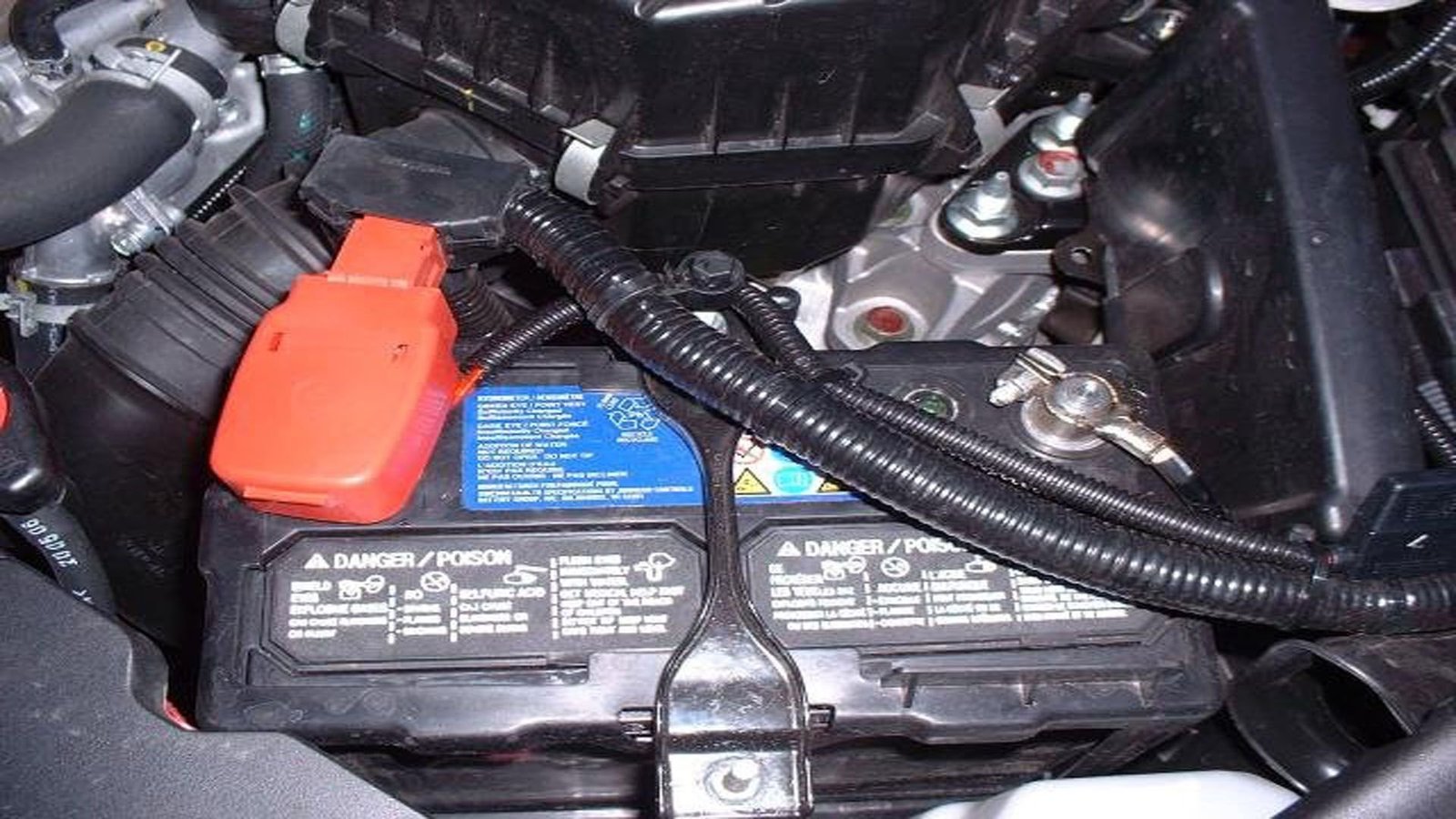
The starter motor demands a large surge of current to turn the engine over. If the battery is weak internally, it may supply enough voltage for accessories but not enough amperage for cranking. This creates the illusion that everything is functioning properly.
Corroded battery terminals can also restrict current flow. Even slight resistance at the connection point reduces starter performance. Cleaning terminals and ensuring tight connections often resolves no-crank situations.
Difference Between No Crank And Crank But No Start
When diagnosing, it is important to determine whether the engine is cranking but not firing, or not cranking at all.
If turning the key produces a clicking sound with no engine rotation, the issue likely involves the battery, starter, or related wiring.
If the engine cranks normally but does not start, the problem typically involves fuel delivery, spark, or engine timing components.
Identifying which scenario applies narrows the diagnostic path significantly.
Starter System Failures That Prevent Engine Cranking
Worn Or Failing Starter Motor
The starter motor physically turns the engine to initiate combustion. Over time, internal brushes wear out and solenoids weaken.
Common signs of starter failure include a single click when turning the key, repeated rapid clicking, or silence despite full electrical power. In some cases, tapping the starter lightly can temporarily restore contact inside worn components.
Starter replacement costs vary by model year, but labor often involves accessing tight areas near the transmission housing. Once replaced, the engine typically cranks immediately if no other issues exist.
Faulty Starter Relay Or Ignition Switch
The starter relay acts as a bridge between the ignition switch and starter motor. If the relay fails, power does not reach the starter even though the battery is healthy.
Ignition switch wear can also interrupt signal transmission. Some Honda Civic models from earlier generations experienced ignition switch concerns due to contact wear.
Testing relays by swapping with identical units in the fuse box helps confirm failure quickly.
Fuel Delivery Issues When The Engine Cranks But Does Not Start
Weak Or Failed Fuel Pump
If the engine cranks but does not start, lack of fuel delivery becomes a primary suspect. The fuel pump sends gasoline from the tank to the engine at regulated pressure.
When turning the key to the ON position, a brief humming sound from the rear of the vehicle often indicates the pump priming. Absence of this sound may suggest pump failure or relay issues.
Fuel pressure testing with proper tools confirms diagnosis. A failed pump requires replacement, which often involves accessing the fuel tank assembly.
Clogged Fuel Filter Or Injectors
Restricted fuel flow can also prevent starting. Older Civic models with replaceable fuel filters may suffer from clogging over time.
Fuel injectors that become dirty or partially blocked can prevent adequate fuel spray into cylinders. When injectors fail entirely, specific cylinders may not fire.
Professional injector cleaning sometimes restores performance. In severe cases, replacement may be necessary.
Ignition And Spark Related Causes
Failing Ignition Coils
Modern Honda Civic engines typically use coil-on-plug ignition systems. Each cylinder has its own ignition coil.
If one or more coils fail completely, the engine may crank but struggle to ignite fuel properly. In cases of total ignition failure, the engine may not start at all.
Diagnostic scanners often display misfire codes that identify affected cylinders. Replacing faulty coils restores spark energy.
Worn Spark Plugs
Spark plugs wear gradually, increasing the gap between electrodes. When the gap becomes excessive, spark becomes weak.
Cold starts are especially difficult when spark strength is compromised. Replacing spark plugs at recommended intervals prevents these issues.
High-mileage Civics commonly benefit from plug replacement if starting problems appear without obvious fuel or starter faults.
Security System And Key Recognition Problems
Immobilizer System Interference
Honda Civics include an immobilizer system designed to prevent theft. If the system does not recognize the key’s transponder chip, the engine may crank briefly and then shut off, or refuse to start entirely.
A flashing key symbol on the dashboard often indicates immobilizer concerns.
Using a spare key sometimes resolves the issue. If the problem persists, reprogramming may be required.
Push Button Start Complications
Newer Civic models with push-button start rely on proximity sensors and key fob communication.
A weak key fob battery may allow dashboard lights to illuminate while preventing engine start authorization.
Replacing the key fob battery is inexpensive and often overlooked during troubleshooting.
Engine Sensors And Timing Issues
Crankshaft Position Sensor Failure
The crankshaft position sensor monitors engine rotation. If this sensor fails, the engine control module cannot determine timing for fuel injection and spark delivery.
When faulty, the engine may crank but never fire. Some cases involve intermittent failure, where the vehicle starts occasionally but not consistently.
Replacing a defective crankshaft sensor restores accurate timing signals.
Camshaft Position Sensor Malfunction
The camshaft sensor works in coordination with the crankshaft sensor. A failed camshaft sensor may also prevent ignition sequence synchronization.
Diagnostic codes typically indicate sensor errors. Addressing sensor faults ensures proper fuel and spark timing.
Less Common But Serious Mechanical Causes
Timing Belt Or Chain Problems
In older Civic engines with timing belts, a broken belt prevents camshaft rotation. Without proper timing, the engine cannot start.
If the belt snaps while driving, internal damage may occur depending on engine design.
Timing chain systems in newer models are more durable but can stretch over time.
Unusual cranking sounds without compression may indicate timing issues.
Low Compression Due To Engine Wear
Severe engine wear can reduce compression below starting threshold. This is rare but possible in very high-mileage vehicles.
Compression testing determines whether cylinders generate adequate pressure for combustion.
Low compression requires internal engine repair.
Structured Diagnostic Path For Accurate Repair
A systematic approach avoids unnecessary replacement of working parts.
First, confirm battery health using a load tester rather than relying on voltage reading alone.
Next, determine whether the engine cranks.
If no crank occurs, focus on starter circuit components.
If cranking occurs without starting, evaluate fuel delivery and ignition spark.
Scanning for diagnostic trouble codes accelerates identification of electronic faults.
Working methodically ensures cost-effective repair.
Repair Costs And What Owners Should Expect
Battery replacement typically costs less than starter motor replacement.
Starter replacement may range higher due to labor complexity.
Fuel pump replacement often involves moderate expense due to tank access.
Ignition coils and spark plugs remain relatively affordable fixes.
Sensor replacements vary in cost depending on part location.
Addressing issues early prevents larger repair bills later.
Long Term Prevention And Reliability Tips
Regular battery testing ensures adequate starting power.
Replacing spark plugs and coils according to service intervals maintains ignition efficiency.
Using quality fuel reduces injector clogging.
Monitoring dashboard warning lights prevents small issues from escalating.
Routine maintenance remains the best defense against unexpected no-start situations.
Where Things Stand
A Honda Civic that will not start despite having power typically suffers from issues within the starter system, fuel delivery components, ignition hardware, or electronic security controls.
The presence of interior power does not guarantee adequate cranking strength. Careful observation of symptoms — whether the engine cranks or remains silent — directs diagnosis.
Accurate testing of battery performance, starter components, fuel pressure, ignition output, and sensor data ensures effective repair.
Addressing the problem methodically restores reliable starting and protects long-term engine health.