Every vehicle produces more sound when the accelerator is pressed. Engine speed increases, fuel combustion intensifies, and exhaust flow rises. A slight increase in sound during acceleration is completely normal. However, when the noise becomes noticeably louder, harsher, or unusual compared to normal operation, it often signals a mechanical issue that should not be ignored.
Unusual acceleration noise can come from several areas of the vehicle. The engine, exhaust system, transmission, intake components, or even wheel bearings may contribute. The key is identifying the type of sound and when it occurs. Is it a deep roaring tone, a rattling vibration, a whining pitch, or a ticking noise? Each sound pattern points toward a different system. Addressing the cause early can prevent further damage, improve fuel efficiency, and restore smooth operation. A systematic approach makes troubleshooting easier and more accurate.
Exhaust System Problems That Cause Loud Acceleration Noise
Exhaust Leak Or Broken Pipe
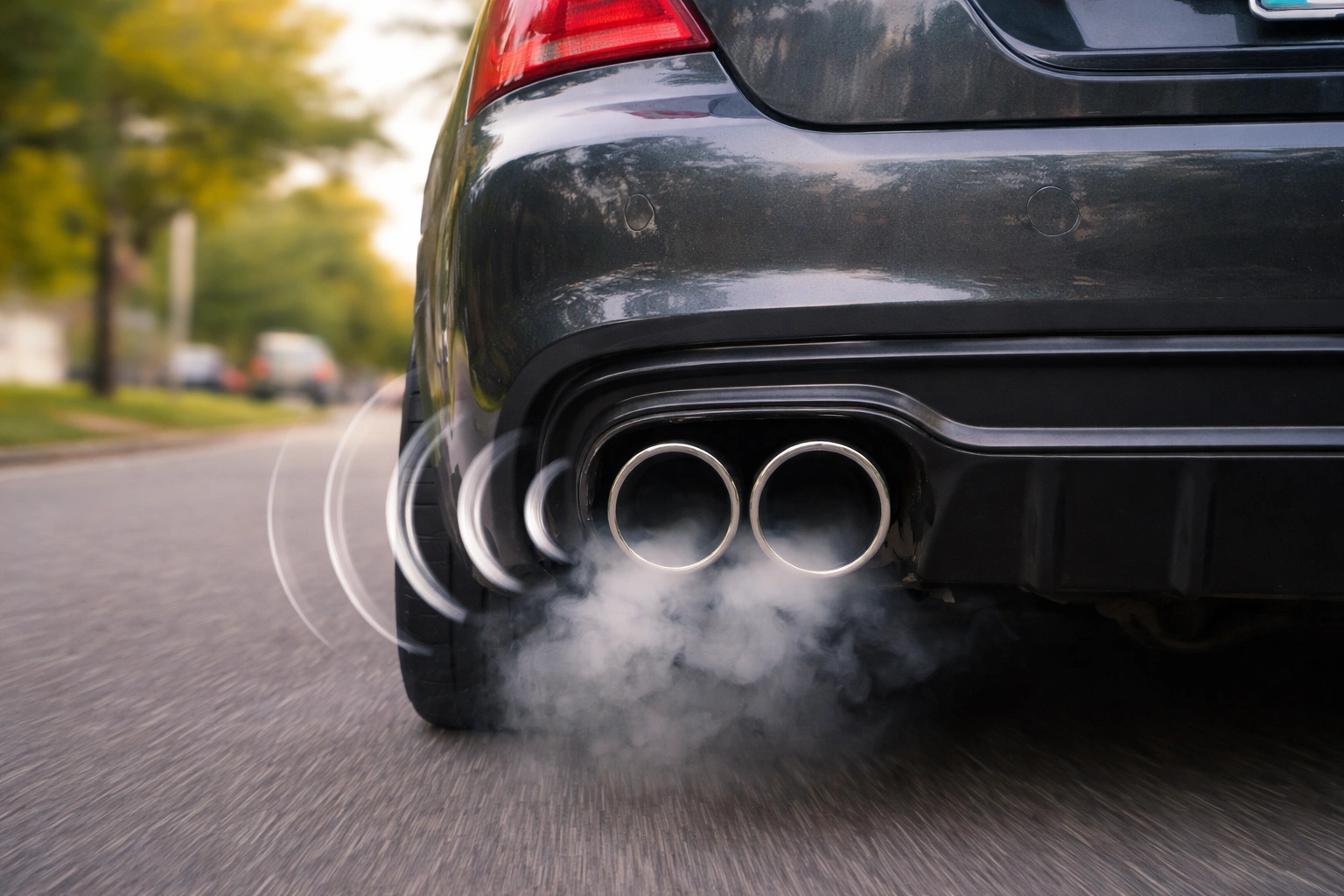
One of the most common reasons a car becomes louder during acceleration is an exhaust leak. The exhaust system directs gases safely away from the engine while reducing sound levels. If a pipe cracks, rusts through, or separates at a joint, exhaust gases escape before reaching the muffler.
When you press the accelerator, exhaust pressure increases. That makes the leak more noticeable. The sound often resembles a deep rumble or roaring noise that grows louder as engine speed rises.
Vehicles such as the Toyota Camry and Honda Civic can develop exhaust leaks over time, especially in areas with heavy road salt exposure.
Inspecting underneath the vehicle for rusted pipes or loose connections often reveals the issue. Repair may involve welding or replacing the damaged section.
Failing Muffler Or Resonator
The muffler’s job is to reduce engine sound by controlling exhaust flow. Inside the muffler are chambers and baffles that quiet noise. When internal components rust or break apart, sound reduction decreases significantly.
Acceleration amplifies this effect because more exhaust passes through the damaged muffler. The result is a louder and more aggressive tone than usual.
A faulty resonator can produce a similar effect. While it does not silence the engine as much as the muffler, it fine tunes exhaust tone.
Replacing worn exhaust components restores normal sound levels and prevents fumes from leaking into the cabin.
Engine Related Causes Of Increased Noise
Intake System Leaks Or Air Filter Issues
Acceleration requires more air entering the engine. If the intake system has a loose hose or cracked duct, airflow noise may increase noticeably.
A damaged or missing air filter can also make the engine sound louder under throttle. Without proper filtration and sound dampening, intake noise becomes more pronounced.
Certain performance vehicles are intentionally designed to allow more intake sound. However, unexpected changes in volume often indicate a loose connection or component failure.
Checking air filter condition and securing intake hoses can resolve the issue quickly.
Worn Engine Mounts
Engine mounts secure the engine to the vehicle frame and absorb vibration. When mounts wear out or break, the engine may shift slightly under acceleration.
This movement can create vibration or thumping sounds. The noise becomes more noticeable when pressing the accelerator because torque increases.
Drivers may also feel shaking through the steering wheel or floorboard.
Replacing worn mounts stabilizes the engine and reduces unwanted noise.
Transmission And Drivetrain Noise Under Acceleration
Transmission Whine Or Bearing Wear
A whining noise that increases with speed may originate from the transmission. Automatic transmissions rely on fluid pressure and internal gears to operate smoothly. If bearings wear or fluid levels drop, high pitched sounds may occur.
Manual transmissions can also develop gear whine if internal components wear over time.
In trucks like the Ford F-150, drivetrain components endure significant load, especially during towing. Proper fluid maintenance helps prevent excessive wear.
Checking transmission fluid condition and level is an important first step in diagnosis.
Worn Wheel Bearings Or CV Joints
Wheel bearings support the weight of the vehicle while allowing wheels to rotate smoothly. When they wear out, they often produce a humming or growling sound that increases with speed.
Constant velocity joints, commonly known as CV joints, may click or pop during acceleration, particularly when turning.
These components are part of the drivetrain and can become louder when torque is applied.
Early replacement prevents further suspension damage and improves overall operation.
Other Possible Causes Of Loud Acceleration
Loose Heat Shields
Heat shields protect vehicle components from high exhaust temperatures. Over time, mounting brackets may rust or loosen.
When accelerating, vibrations increase and loose shields may rattle loudly. This noise often sounds metallic and irregular.
Securing or replacing loose heat shields usually resolves the problem quickly.
Catalytic Converter Problems
A failing catalytic converter can produce rattling sounds if the internal honeycomb structure breaks apart. Acceleration increases exhaust pressure, making the noise more obvious.
Reduced engine performance may also accompany this issue.
Inspection by a qualified technician confirms whether replacement is necessary.
How To Diagnose The Source Accurately
Start by noting when the noise occurs. Does it happen only when accelerating, or does it continue at steady speed? Does it change when turning or shifting gears?
Listen carefully to the type of sound. Deep rumbling often indicates exhaust issues. High pitched whining suggests transmission or bearing problems. Metallic rattling may point toward loose components.
Visual inspection under the vehicle can reveal rust, broken brackets, or damaged pipes. A professional mechanic may use a lift to examine hidden areas.
Prompt diagnosis reduces the chance of more expensive repairs later.
Increased noise during acceleration often results from exhaust leaks, worn mufflers, intake problems, drivetrain wear, or loose components. Identifying the type and location of the sound guides effective repair.
Addressing the issue early restores normal sound levels, prevents further damage, and ensures reliable vehicle performance. Paying attention to unusual changes helps maintain long term mechanical health and overall safety on the road.