Modern engines depend on a precisely controlled cooling system to maintain safe operating temperatures. Coolant circulates through passages in the engine block, absorbs heat, and releases it through the radiator. When everything works correctly, temperature remains stable whether the vehicle is idling in traffic or cruising at highway speed.
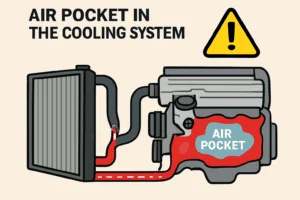
However, even a small disruption in coolant flow can create noticeable problems. One of the most overlooked issues is trapped air inside the system. Unlike coolant, air does not transfer heat efficiently. It can block circulation, create pressure irregularities, and cause erratic temperature behavior.
An air pocket often forms after coolant replacement, radiator repair, thermostat changes, or leak-related work. If not properly bled out, it interferes with heat exchange and may lead to overheating, poor heater performance, or unusual noises. Recognizing the symptoms early helps prevent engine damage and costly repairs.
Common Symptoms Of Air Trapped In The Cooling System
Fluctuating Temperature Gauge Behavior
One of the earliest signs of trapped air is unstable temperature readings. The gauge may climb toward hot, then drop suddenly, only to rise again moments later. This irregular pattern happens because coolant flow becomes inconsistent.
When air pockets block passages, hot coolant may not reach the temperature sensor evenly. The sensor detects temperature swings rather than steady readings. Drivers sometimes mistake this for a failing thermostat, but air blockage often produces similar behavior.
If temperature rises quickly after startup and then drops without explanation, air trapped near the sensor or thermostat housing may be interfering with circulation. This symptom deserves attention because repeated overheating cycles can strain engine components.
Weak Or Inconsistent Cabin Heater Performance
The cabin heater relies on hot coolant flowing through the heater core. When air becomes trapped in that section, hot coolant cannot circulate properly. As a result, the heater may blow cold air even when the engine has reached normal temperature.
In some cases, warm air appears briefly and then turns cool. That pattern indicates intermittent coolant flow through the heater core.
Drivers often suspect heater core failure, but trapped air is a common and less expensive explanation. Poor heater performance combined with fluctuating temperature readings strongly suggests air inside the cooling system.
How Air Enters The Cooling System
Improper Coolant Refilling Procedures
Air frequently enters the system during coolant replacement. If coolant is poured into the radiator or reservoir without proper bleeding steps, air becomes trapped in hoses and engine passages.
Modern engines often require specific procedures, such as opening bleed screws or using vacuum filling tools. Skipping these steps allows air pockets to remain trapped.
Simply topping off coolant without allowing air to escape does not guarantee proper circulation. Following manufacturer-recommended refill techniques ensures complete air removal.
Leaks And Pressure Loss
Cooling systems operate under pressure. When a hose, radiator, or gasket leaks, pressure drops. As the system cools, it may draw air inward instead of coolant from the reservoir.
Even small leaks allow air infiltration over time. Symptoms may appear gradually rather than immediately.
Addressing leaks promptly prevents repeated air entry and protects overall system integrity.
Mechanical And Operational Effects Of Air Pockets
Overheating Due To Blocked Circulation
Air does not absorb heat like coolant. When trapped in engine passages, it prevents proper heat transfer. Hot spots develop in areas where coolant cannot circulate effectively.
These localized hot spots increase the risk of warped cylinder heads or head gasket failure. Even brief overheating events may weaken internal components.
Repeated temperature spikes indicate restricted coolant flow, which air pockets commonly cause.
Gurgling Sounds From The Dashboard
Unusual bubbling or gurgling sounds behind the dashboard often signal air moving through the heater core. As coolant circulates, trapped air shifts within hoses and passages.
These sounds typically occur during acceleration or after engine shutdown. While they may seem minor, they indicate incomplete bleeding.
Persistent gurgling suggests that air remains trapped and should be removed promptly.
Diagnosing And Removing Trapped Air Properly
Bleeding The Cooling System Safely
Bleeding removes air by allowing it to escape while coolant fills the void. Many vehicles include bleed screws located near thermostat housings or upper radiator hoses.
With the engine cool, open the bleed screw while slowly adding coolant until a steady stream without bubbles appears. Close the screw and monitor fluid level.
Some systems require running the engine with the radiator cap off until bubbles stop forming. Heater controls should be set to maximum heat during this process to allow coolant circulation through the heater core.
Proper bleeding ensures stable temperature readings and consistent heater performance.
Using Vacuum Fill Tools
Professional repair shops often use vacuum fill tools. These devices remove air before introducing coolant, preventing air pocket formation entirely.
Vacuum filling creates negative pressure inside the cooling system, then draws coolant in evenly. This method reduces risk of trapped air in complex systems with multiple hose pathways.
While vacuum tools are not always available to home mechanics, they represent the most reliable way to ensure complete air removal.
Preventing Future Air Pocket Issues
Inspecting Hoses And Caps
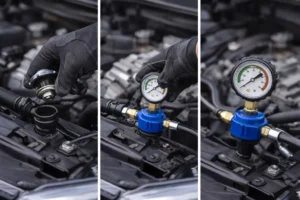
A worn radiator cap may fail to maintain proper pressure, allowing air to enter during cooling cycles. Replacing an aging cap is inexpensive and protects system stability.
Hoses should remain flexible without cracks. Brittle hoses can leak and draw in air. Regular inspection prevents unnoticed pressure loss.
Monitoring Coolant Level Consistently
Low coolant levels increase the likelihood of air infiltration. Checking levels periodically ensures the system remains sealed and full.
Sudden drops in coolant without visible leaks may indicate internal issues such as gasket failure. Early detection prevents further complications.
The Mechanical Perspective
Air pockets in a cooling system interfere with heat transfer, pressure stability, and circulation efficiency. Symptoms often include fluctuating temperature gauges, weak cabin heat, overheating, and unusual bubbling noises.
Most cases occur after maintenance or from small leaks allowing air infiltration. Proper bleeding techniques eliminate trapped air and restore stable operation.
Ignoring the issue risks severe engine damage due to uneven cooling. Maintaining correct coolant levels, using recommended refill procedures, and addressing leaks quickly ensures reliable temperature control.
Stable coolant flow protects the engine’s internal components and preserves long-term performance.