Seeing white smoke come out of the exhaust when starting a car can be unsettling, especially when it disappears after a short drive. For many drivers, this moment creates immediate worry about engine damage, blown gaskets, or expensive repairs.
In reality, white smoke on startup can mean very different things depending on how it looks, how long it lasts, and what else the vehicle is doing at the same time.
Engines operate in changing conditions every time they start. Temperature differences, moisture buildup, fuel behavior, and internal clearances all play a role during those first few minutes.
Some forms of white smoke are completely harmless and expected, while others point to problems that should not be ignored. The challenge is knowing how to tell the difference without jumping to conclusions.
This article breaks down why white smoke appears on startup and then goes away, what is considered normal, what is not, and how to interpret the signs correctly.
The focus is clarity and understanding, not panic or guesswork, so you can respond appropriately rather than assume the worst.
Normal Reasons White Smoke Appears On Startup
Condensation And Water Vapor In The Exhaust
The most common and harmless cause of white smoke on startup is condensation. When a vehicle sits overnight, especially in cool or humid conditions, moisture collects inside the exhaust system.
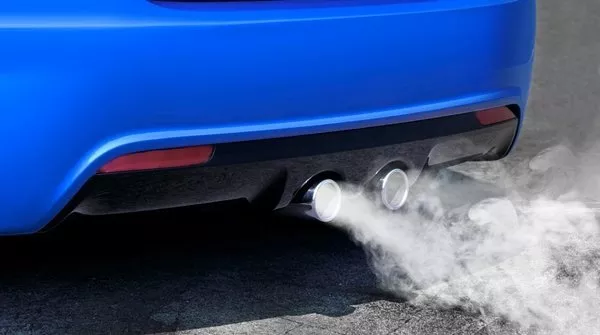
When the engine starts, exhaust gases heat up rapidly and turn this moisture into steam. This steam exits the tailpipe as thin, white smoke that looks like fog. As the exhaust system warms up, the moisture evaporates completely, and the smoke disappears.
This type of white smoke is usually light, wispy, and odorless. It does not linger in the air and fades quickly as the engine reaches operating temperature.
Cold Weather And Short Trips
White smoke caused by condensation is more noticeable in cold weather. The greater the temperature difference between the exhaust system and the outside air, the more visible the vapor becomes.
Vehicles driven on short trips are more prone to this issue because the exhaust system does not stay hot long enough to fully dry out. Each cold start repeats the same cycle.
In these cases, the smoke is not a sign of engine trouble and does not indicate damage.
When White Smoke Signals A Mechanical Problem
Coolant Entering The Combustion Chamber
One serious cause of white smoke is coolant leaking into the engine’s combustion chambers. When coolant burns, it produces thick, white smoke that may have a sweet smell.
Unlike condensation, this smoke often lasts longer than a few minutes and may return every time the engine starts. In some cases, it may lessen as the engine warms up, but it usually does not disappear completely.
This condition is commonly linked to issues such as a damaged head gasket, cracked cylinder head, or engine block problems.
How Smoke Texture And Smell Matter
Problem-related white smoke tends to be dense and cloudy rather than thin. It often hangs in the air instead of dissipating quickly.
The smell is another important clue. Coolant has a distinct sweet odor that differs clearly from normal exhaust vapor. Noticing this smell repeatedly is a strong warning sign.
Oil And Fuel Related Causes That Can Mimic White Smoke
Oil Seepage During Startup
In some engines, small amounts of oil can seep into the combustion area while the vehicle sits. On startup, this oil burns briefly and produces smoke that may appear white or light bluish.
This smoke usually disappears quickly once the oil is burned off. While occasional occurrences may not be urgent, frequent repetition suggests worn valve seals or piston rings.
The key difference is that oil-related smoke often has a sharp, oily smell rather than a sweet one.
Rich Fuel Mixture During Cold Starts
Engines often run richer during cold starts to maintain smooth operation. In some cases, unburned fuel mixes with moisture and produces a white or grayish exhaust cloud.
This smoke clears as the engine warms and fuel delivery normalizes. Modern engines usually manage this well, but older systems may show it more clearly.
Signs That Help You Tell Normal From Serious
How Long The Smoke Lasts
Smoke that disappears within a few minutes is usually normal condensation. Smoke that continues after the engine is warm is not.
Duration is one of the most reliable indicators when assessing the situation.
Changes In Coolant Or Oil Levels
Unexplained coolant loss without visible leaks often points toward internal consumption. Checking coolant levels regularly can reveal slow problems early.
Oil that appears milky or foamy can indicate coolant mixing with oil, which is a serious condition.
Engine Performance Changes
Rough idle, misfires, overheating, or warning lights combined with white smoke suggest a mechanical issue.
Normal condensation does not affect how the engine runs.
Diesel Engines And White Smoke Differences
Cold Start Behavior In Diesel Engines
Diesel engines are more prone to white smoke during cold starts due to the way fuel ignites under compression. In cold conditions, fuel may not burn completely at first.
This produces white or light gray smoke that clears as the engine warms up. This behavior is often normal, especially in colder climates.
When Diesel White Smoke Becomes A Problem
Persistent white smoke in a diesel engine can indicate injector issues, glow plug problems, or coolant intrusion.
The difference lies in consistency. Normal diesel smoke fades quickly, while problem-related smoke lingers and may worsen.
Why Startup Conditions Matter So Much
Engine Temperature And Clearances
Engines are designed to operate at specific temperatures. When cold, internal clearances are slightly different, affecting how fluids move and seal.
As the engine warms, components expand and seal more effectively. This explains why some smoke appears only during startup.
Moisture Accumulation Over Time
Vehicles parked outdoors or driven infrequently accumulate more moisture. This makes condensation-related smoke more visible.
Regular longer drives help reduce moisture buildup inside the exhaust system.
Diagnostic Steps Worth Taking
Simple Observations Before Panic
Watching the color, thickness, and duration of the smoke provides valuable information. Smell and behavior matter more than appearance alone.
Noting whether the smoke happens only on cold mornings or every startup helps narrow causes.
When To Seek Professional Inspection
If white smoke is thick, persistent, sweet-smelling, or accompanied by coolant loss or overheating, inspection is necessary.
Early diagnosis prevents minor issues from becoming major repairs.
Long-Term Risks Of Ignoring Problem Smoke
Engine Damage Progression
Coolant burning inside the engine damages components over time. Bearings, pistons, and sensors suffer when exposed repeatedly.
Ignoring early signs often leads to higher repair costs later.
Emissions System Impact
Burning coolant or oil contaminates catalytic converters and oxygen sensors. These components are expensive to replace.
Addressing the root cause protects the entire exhaust system.
Common Misunderstandings About White Smoke
Many drivers assume any white smoke means engine failure. In reality, most startup smoke is harmless.
Others assume that if the smoke goes away, the problem is gone. Some issues temporarily fade but continue internally.
Understanding context prevents both overreaction and neglect.
Preventive Habits That Reduce Concerns
Allowing the engine to warm gently helps stabilize combustion.
Occasional longer drives reduce moisture buildup.
Regular fluid checks catch abnormal consumption early.
Final Thoughts
White smoke from the exhaust on startup that goes away is often nothing more than water vapor burning off from the exhaust system. This is especially true in cold or humid conditions and does not signal engine trouble. Thin, odorless smoke that disappears quickly is usually normal.
However, thicker smoke, sweet smells, lingering clouds, or repeated fluid loss point toward mechanical problems that should not be ignored. The key lies in observing patterns rather than reacting to a single moment. Understanding what the engine is telling you allows calm, informed decisions instead of unnecessary worry. When recognized early, serious causes can be addressed before they lead to lasting damage, while harmless condensation can be safely ignored with confidence.