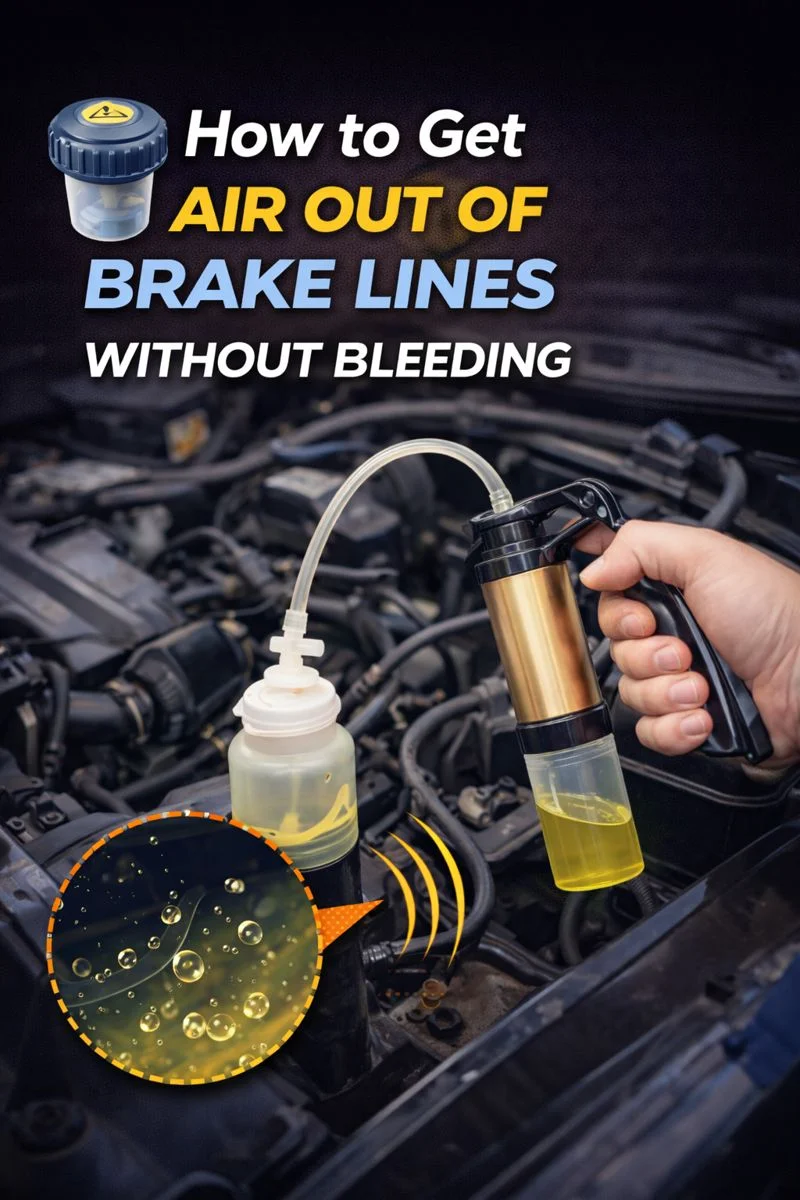
Brake feel tells a story long before warning lights or leaks appear. A soft pedal, delayed response, or spongy sensation usually points to air trapped somewhere in the hydraulic system.
Traditional bleeding is the standard fix, but it is not always the only option. In some situations, especially after minor work or fluid changes, air can be encouraged out of the system without going through a full bleeding process.
Understanding how this works requires a clear picture of how brake hydraulics behave, how air moves inside fluid lines, and what conditions allow bubbles to escape naturally.
This article explains realistic and safe ways air can be reduced or removed from brake lines without formal bleeding. It focuses on controlled methods used by experienced technicians when the system is mostly intact.
Nothing here replaces proper bleeding when it is required, but these techniques help in specific cases where air presence is minimal.
Knowing the difference can save time, prevent unnecessary work, and help you understand when a simple correction is enough and when professional bleeding is unavoidable.
How Air Affects Brake Performance
Why Air Causes A Soft Or Spongy Pedal
Brake systems rely on hydraulic pressure, which means fluid transfers force evenly and instantly. Air behaves very differently.
It compresses under pressure, which delays braking response. When you press the pedal, some of the force goes into compressing air instead of applying the brakes.
How Air Enters Brake Lines
Air usually enters during brake work such as caliper replacement, hose removal, or fluid changes. It can also form slowly if fluid is old and moisture-contaminated. Even a small bubble can change how the pedal feels.
When Removing Air Without Bleeding Can Work
Situations Where Air Is Minimal
These methods work best when air is trapped near the master cylinder, in the reservoir, or in short sections of the system. Examples include topping off fluid, replacing a reservoir cap, or opening a line briefly without draining the system.
Situations Where These Methods Will Not Work
If a brake line was fully opened, a caliper replaced, or fluid drained significantly, bleeding is required. No alternative method can safely remove large amounts of air from deep in the system.
Understanding Brake Fluid Behavior
Brake Fluid Movement Under Pressure
Brake fluid moves toward areas of lower pressure. When the pedal is pressed and released, fluid flows back and forth through valves and passages. This movement can sometimes carry small air bubbles upward toward the reservoir.
Why Air Naturally Wants To Rise
Air is lighter than brake fluid. Given time and gentle pressure changes, bubbles tend to move upward. This principle is key to removing small amounts of air without opening bleeder screws.
Allowing Air To Escape Through The Master Cylinder
Letting The Car Sit Undisturbed
In some cases, simply allowing the car to sit overnight helps. Tiny air bubbles can migrate upward into the master cylinder reservoir. This works best when the system has not been heavily disturbed.
Gentle Pedal Pressing With The Engine Off
Slowly pressing the brake pedal several times with the engine off can help move fluid without creating turbulence. Fast pumping can break bubbles into smaller ones, making the problem worse.
Watching Fluid Level Changes
After gentle pedal presses, check the fluid level. A small drop can indicate air moving into the reservoir. Always keep fluid above the minimum line.
Steering Angle And Vehicle Position Techniques
Turning Wheels To Shift Caliper Angle
On some vehicles, turning the steering wheel fully left or right changes caliper orientation. This can help trapped air move upward within the caliper body and hose.
Parking On A Slight Incline
Parking the vehicle on a mild incline, with the front end higher, can encourage air to move toward the master cylinder. This should be done carefully on level, safe ground.
Using Brake Pedal Pressure Holding
Applying Constant Pressure
Applying steady brake pedal pressure for several minutes can compress small air pockets and encourage them to move upward. This method works best for air near the top of the system.
Avoiding Rapid Pumping
Rapid pumping creates foam and microbubbles. Controlled, slow pressure is far more effective when trying to reduce trapped air naturally.
Brake Booster Influence
Engine Running Versus Engine Off
With the engine running, the brake booster amplifies pedal movement. This can sometimes move fluid more aggressively than desired. For gentle air migration, engine-off pedal use is usually better.
Booster Check Valves And Air Movement
Some boosters allow slight pressure differences that help fluid settle. This effect is subtle but can help when air is near the master cylinder.
Caliper And Hose Flex Methods
Light Tapping On Brake Lines
Using a rubber mallet to gently tap brake hoses and calipers can dislodge air bubbles stuck to inner walls. This should be done carefully to avoid damage.
Why Vibration Helps
Air bubbles sometimes cling to surfaces due to surface tension. Vibration helps release them so they can move upward with the fluid.
ABS Systems And Air Movement
ABS Valves And Trapped Air
ABS modules contain valves that can trap air. In some vehicles, air near the ABS unit may move with repeated gentle braking at low speed on a safe surface.
Why ABS Complicates Things
Many ABS systems require electronic cycling to fully remove air. Without proper tools, air trapped inside the ABS block usually cannot be removed without bleeding.
Fluid Level And Condition Matters
Fresh Fluid Improves Air Release
Newer fluid allows air bubbles to move more freely. Old fluid with moisture content holds air more stubbornly.
Keeping The Reservoir Properly Filled
Low fluid levels allow air to re-enter the system. Always maintain proper fluid level during any air-reduction attempt.
Brake Line Routing Differences
Front Versus Rear Brake Lines
Front brake lines are shorter and easier for air to escape naturally. Rear lines are longer and more prone to trapping air, especially on vehicles with rear drum brakes.
Vehicles With Proportioning Valves
Some systems include valves that limit rear brake pressure. These can trap air, making non-bleeding methods less effective.
Common Signs That Air Has Been Reduced
Pedal Feel Improvement
A firmer pedal that engages higher is the most noticeable sign. The change may be gradual over several hours or days.
Reduced Pedal Travel
Less pedal travel before braking action suggests air volume has decreased.
Signs That Bleeding Is Still Required
Persistent Spongy Pedal
If the pedal remains soft after repeated attempts, air is still present.
Uneven Braking Response
If one side responds differently, air may be trapped in a specific caliper or line.
Warning Lights Or ABS Faults
Any brake-related warning light means professional diagnosis is needed.
Safety Considerations
Never Drive If Braking Feels Unsafe
If braking performance is questionable, do not rely on alternative methods. Proper bleeding or professional service is essential.
Avoid Introducing More Air
Opening caps, hoses, or fittings unnecessarily can make the situation worse.
Why Professionals Still Prefer Bleeding
Precision And Reliability
Bleeding removes air completely and predictably. Alternative methods rely on chance and system design.
Modern Brake System Complexity
With ABS, stability control, and electronic proportioning, modern systems are less forgiving of shortcuts.
Realistic Expectations
Small Improvements Versus Complete Fix
These methods can reduce minor air presence but rarely eliminate all air unless the system was barely affected.
Time Investment Versus Outcome
Sometimes waiting and gentle pressure works. Other times, it simply delays the inevitable bleeding process.
Preventing Air From Entering In The Future
Proper Fluid Handling
Avoid letting the reservoir run low during service.
Sealing Lines Quickly
When opening lines, cap them immediately to reduce air entry.
Regular Brake Fluid Maintenance
Changing fluid at recommended intervals reduces moisture and air-related issues.
When Professional Help Is The Best Option
After Major Brake Work
Caliper replacement, line replacement, or master cylinder work always requires bleeding.
When ABS Modules Are Involved
Electronic cycling tools are often required to remove trapped air safely.
Final Thoughts
Removing air from brake lines without bleeding is possible only in limited situations where air presence is small and near the top of the system. Gentle pedal use, vehicle positioning, and patience can sometimes restore pedal feel enough for normal operation.
However, these methods are not substitutes for proper bleeding when the system has been opened significantly. Understanding how brake hydraulics behave helps you choose the right approach instead of guessing.
When in doubt, proper bleeding remains the safest and most reliable solution, ensuring consistent braking performance and peace of mind every time you press the pedal.