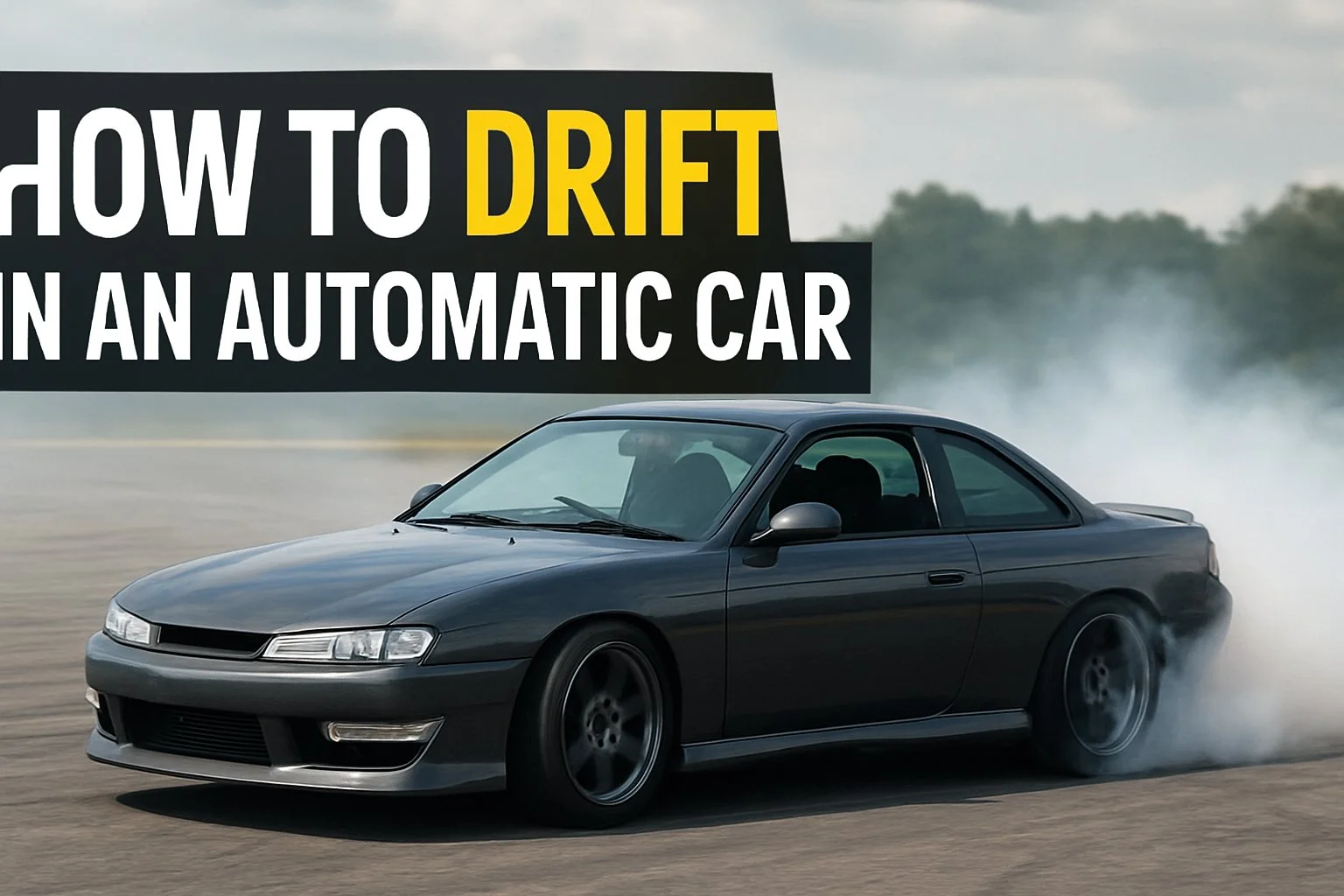
Drifting has always carried a certain appeal, blending control, timing, and a bit of boldness into one fluid motion. It is often associated with manual cars, where clutch control and gear shifts play a major role.
Yet modern automatic vehicles have evolved far beyond basic commuting machines. With improved transmissions, responsive throttle systems, and better balance, they can also handle controlled slides when used correctly.
The idea of drifting an automatic car may seem unusual at first, but it is entirely possible with the right technique and environment. It is not about reckless movement or showing off on public roads.
It requires focus, awareness, and a clear sense of how the car reacts under pressure. Knowing how weight shifts, how traction breaks, and how to regain control is what makes the difference between a clean drift and a loss of control. A careful approach turns it into a skill rather than a risk.
How Automatic Cars Handle Drifting Differently
Transmission Behavior And Power Delivery
Automatic cars operate differently from manual ones, especially when it comes to controlling power. In a manual setup, the driver decides when to shift gears and how to engage the clutch. In an automatic car, the transmission manages gear changes on its own, which means less direct control over torque delivery. This can make drifting feel less predictable at first.
However, modern automatic transmissions often include manual modes or paddle shifters. These features allow drivers to hold gears longer and maintain consistent power during a slide. Keeping the car in a lower gear helps maintain higher engine speed, which is essential for breaking traction and sustaining a drift.
Throttle response also plays a major role. Smooth and controlled acceleration is more effective than sudden bursts of power. Gradual input allows the rear wheels to lose grip in a controlled way rather than spinning out abruptly. Learning how the car responds to throttle input is one of the most important steps in building confidence.
Another factor is drivetrain type. Rear-wheel drive vehicles are naturally suited for drifting because power is sent to the rear wheels. Front-wheel drive cars behave differently and are harder to slide in a controlled manner. All-wheel drive systems can drift under certain conditions, but they require a different approach and more precision.
Stability Systems And Their Impact
Most modern automatic cars come equipped with electronic stability systems designed to prevent loss of control. These systems monitor wheel speed, steering angle, and traction, then adjust power or braking to keep the car stable. While this is helpful for everyday driving, it can interfere with drifting attempts.
To allow controlled sliding, these systems often need to be partially or fully disabled. This gives the driver more freedom to manage the car’s movement without electronic intervention. However, turning off these systems also removes a layer of safety, so it should only be done in a controlled environment.
Even with stability systems disabled, some cars still have built-in safeguards that limit extreme behavior. These can affect how easily the car breaks traction or maintains a slide. Getting familiar with these characteristics helps in adapting technique to match the vehicle.
The balance between control and assistance is important. While electronics can restrict drifting, they also prevent sudden loss of control. Finding the right setting, where the car allows movement but still offers some stability, can make the learning process smoother.
Preparing The Car And Environment Before Drifting
Choosing The Right Location And Surface
Drifting should never be attempted on public roads. A safe and controlled environment is essential for both practice and safety. Open spaces such as closed tracks, empty lots, or designated drifting areas provide enough room to experiment without risking harm to others.
The surface plays a significant role in how the car behaves. Smooth asphalt offers consistent grip, making it easier to predict movements. Wet surfaces reduce traction, which can help beginners initiate slides at lower speeds. However, they also require careful control to avoid spinning out.
Space is equally important. A wide area allows room for mistakes and recovery. Tight spaces increase the risk of hitting obstacles or losing control. Practicing in an open environment helps build confidence and allows gradual improvement.
Weather conditions also affect drifting. Rain can make surfaces slippery, while dry conditions provide more grip. Each setting requires a slightly different approach, so adapting to these changes is part of the learning process.
Vehicle Setup And Basic Checks
Before attempting any drifting techniques, the car should be in good condition. Tires are one of the most important components. Rear tires with moderate wear can make it easier to break traction, while front tires should have good grip for steering control.
Tire pressure can also influence performance. Slightly higher pressure in the rear tires reduces grip, making it easier to initiate a slide. However, extreme adjustments should be avoided, as they can affect stability.
Checking brakes, suspension, and steering ensures that the car responds correctly during maneuvers. Any mechanical issues can lead to unpredictable behavior, which increases risk. Regular maintenance is essential for safe practice.
Fuel level is another consideration. A half tank is often ideal, as it keeps the car balanced without adding unnecessary weight. Removing loose items from the interior prevents distractions during movement.
Preparing the car properly creates a stable foundation for learning. It ensures that the focus remains on technique rather than dealing with unexpected issues.
Step By Step Techniques To Drift An Automatic Car
Initiating The Drift With Control
Starting a drift involves breaking traction in a controlled way. One common method is the throttle kick, where the driver accelerates while turning into a corner. The sudden increase in power causes the rear wheels to lose grip, initiating the slide.
Another approach is the weight transfer method. This involves steering slightly in the opposite direction before turning into the corner. The shift in weight helps reduce traction at the rear, making it easier to start the drift. Timing is crucial here, as the transition needs to be smooth.
Handbrake use can also assist in initiating a drift, especially in tighter spaces. Pulling the handbrake briefly locks the rear wheels, causing them to slide. Releasing it quickly allows the car to continue moving while maintaining the drift.
Each method requires practice to master. Starting with gentle inputs and gradually increasing intensity helps in building control. Rushing the process often leads to oversteering or losing balance.
Maintaining And Controlling The Slide
Once the drift begins, maintaining it requires constant adjustments. Steering plays a key role, with countersteering used to keep the car balanced. Turning the wheel in the opposite direction of the slide helps control the angle and prevents spinning.
Throttle control is equally important. Too much power can cause the car to spin out, while too little can end the drift prematurely. Finding the right balance allows the slide to continue smoothly.
Body movement and focus also matter. Keeping eyes on the intended path rather than the direction of the slide helps maintain control. Smooth inputs create a more stable drift, while sudden movements can disrupt balance.
Practice builds muscle memory, making these adjustments feel more natural over time. Consistency in technique leads to better control and longer, more controlled drifts.
Exiting The Drift Safely
Ending a drift requires careful timing and control. Gradually reducing throttle allows the rear wheels to regain traction. At the same time, steering should be aligned with the direction of travel to stabilize the car.
Abrupt changes can cause the car to snap back, leading to loss of control. Smooth transitions help maintain balance and ensure a clean exit. This step is just as important as initiating the drift, as it completes the maneuver safely.
Learning to exit properly also prepares for consecutive drifts. It allows the driver to link movements and maintain flow without stopping completely. Controlled exits are a sign of improved skill and confidence.
Common Mistakes And Safety Tips To Keep In Mind
Mistakes That Can Lead To Loss Of Control
One of the most common mistakes is applying too much throttle too quickly. This often results in spinning out rather than maintaining a controlled slide. Gradual input is far more effective and easier to manage.
Oversteering is another issue. Turning the wheel too sharply can disrupt balance and make recovery difficult. Smooth and measured steering helps maintain control throughout the drift.
Ignoring the environment can also lead to problems. Practicing in unsuitable locations or on uneven surfaces increases risk. Choosing the right setting reduces the chances of accidents.
Lack of patience is a frequent challenge. Drifting takes time to learn, and rushing through the process often leads to frustration and mistakes. Consistent practice with a focus on technique leads to better results.
Safety Measures For Responsible Practice
Safety should always be the top priority when practicing drifting. Wearing a seatbelt and ensuring that the vehicle is secure are basic but essential steps. These measures provide protection in case of unexpected movement.
Keeping a safe distance from obstacles and other vehicles reduces risk. Practicing alone or in controlled environments ensures that others are not affected. Awareness of surroundings is crucial at all times.
Limiting speed during practice helps maintain control. Starting slow allows for better learning and reduces the impact of mistakes. As confidence grows, speed can be increased gradually.
Respecting local laws and regulations is equally important. Drifting on public roads is unsafe and illegal in many areas. Choosing designated spaces ensures that practice remains responsible and controlled.
Conclusion
Drifting an automatic car is a skill that combines technique, control, and patience. While it may not offer the same level of manual involvement as a traditional setup, modern automatic vehicles are capable of controlled slides when handled correctly. The key lies in understanding how the car responds and adapting techniques accordingly.
Preparation, practice, and awareness form the foundation of safe drifting. Each step, from initiating the slide to exiting smoothly, requires attention and consistency. Progress comes with time, and small improvements build confidence along the way.
A responsible approach ensures that drifting remains a controlled activity rather than a risky one. With the right mindset and proper environment, it becomes a skill that reflects precision and control rather than chance.