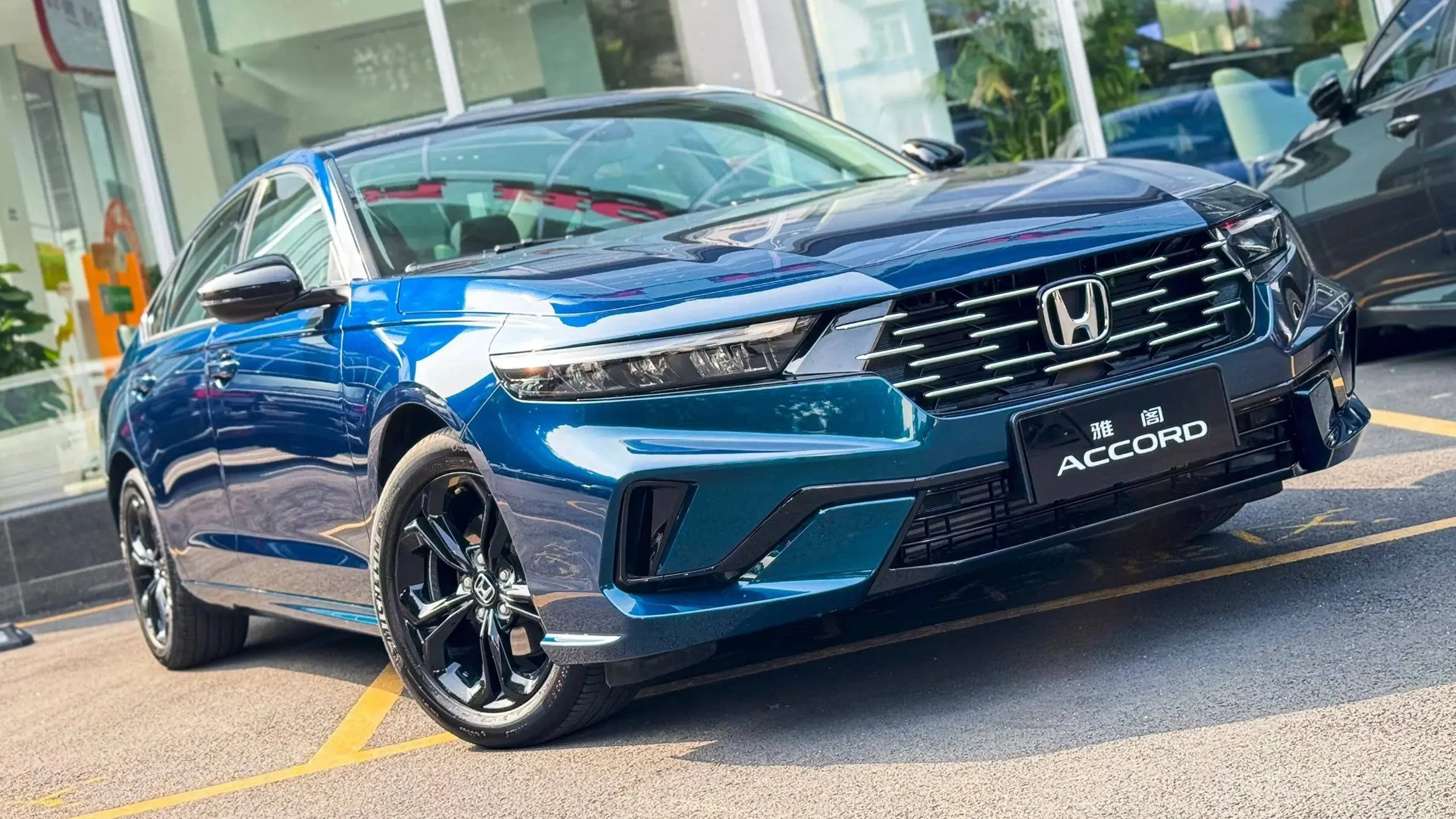
When Honda quietly rolled out the refreshed 2026 Accord, we were was immediately curious — not because the Accord needs rescuing, but because the midsize sedan market has been shrinking and every update now has to earn its keep.
The 2026 facelift doesn’t reinvent the wheel; instead it sharpens one of the class’s best packages. From a cleaner, more assertive front end to the larger center display Honda has been teasing, the changes aim to keep the Accord feeling modern without losing the balanced character that made it a sensible choice for buyers.
We spent time reading official notes, industry previews, and early reviews, and then put the headlines in context with what matters for everyday owners: comfort, technology that helps rather than distracts, efficient powertrains, and long-term ownership costs.
Below we walk you through what’s new, how it drives, where it still shines, and whether the facelift changes the Accord’s value proposition in 2026.
Quick overview: What This Facelift Is And What it isn’t
Honda’s 2026 Accord receives a classic mid-cycle refresh: sharper styling up front, updated tech inside, and some trim-level rejigging rather than wholesale mechanical change.
The core underpinnings — including the familiar 1.5-liter turbo gas engine and the Accord’s hybrid option — carry over, but Honda concentrates the update where most owners notice it first: looks, infotainment, and perceived quality.
If you’re hoping for a new chassis or radically different powertrains, that’s not this update; if you want a sedan that looks fresher and feels more modern in daily use, the 2026 Accord is right in that wheelhouse.
Exterior: A Sharper, More Modern Face
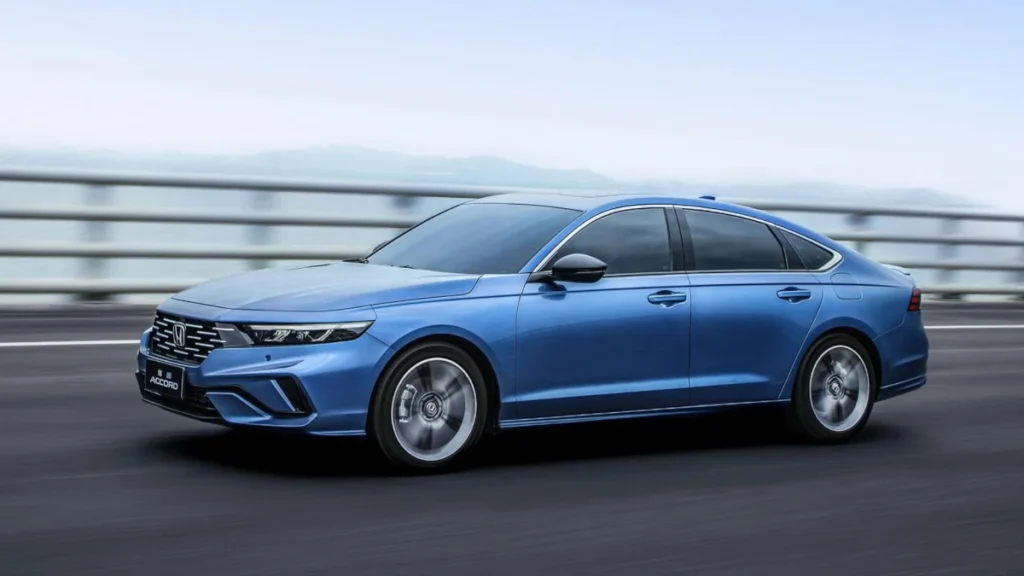
The most visible change is up front. The 2026 Accord adopts a revised grille and bumper treatment that gives the car a more assertive stance — slimmer LED headlamps, a cleaner lower intake, and tightened sculpting around the fenders.
Reporters who saw early models in China and global previews pointed out the sportier front fascia; the rear and the profile remain mostly unchanged, which keeps the Accord’s low, wide silhouette intact.
The net result is a car that looks more contemporary at parking-lot glance without alienating the buyers who liked the 2023 redesign’s restrained elegance.
Practical note: small exterior updates like new front lighting and grille usually have minimal effect on insurance or parts costs compared with full redesigns, but they do improve resale appeal by keeping the model in sync with current tastes.
Interior and Tech: Bigger Screen, Cleaner UX
Inside, Honda’s facelift focuses on perceived quality and technology. Reports and previews suggest Honda pushed a larger central display — industry coverage points to a new 12.3–15-inch center screen as available or standard on higher trims — and a sharper software experience with faster menus and better smartphone integration.
Honda also tidied the center console and applied some nicer materials in visible places to lift the cabin feel. If you’ve ever felt the previous Accord interior was functional but templated, the facelift nudges it toward a more premium user experience.
What matters in daily life is how quickly the system responds, how clear the menus are while driving, and whether your phone connects reliably.
Early hands-on notes say Honda improved responsiveness and reduced unnecessary layers in menus — small but meaningful upgrades for commuters.
Powertrains and Performance: Familiar, Efficient, and Tuned
Honda carries forward its familiar powertrain lineup for the facelifted Accord. A turbocharged 1.5-liter four-cylinder remains the baseline gas engine: efficient, smooth, and more than adequate for most city and highway duties.
Honda’s hybrid powertrain — pairing a 2.0-liter engine with electric assist in the Accord Hybrid — also returns and remains the headline for drivers chasing the best real-world fuel economy. Early spec sheets and previews show no large changes to horsepower figures but confirm that hybrid and turbo options stay available.
On the road, the Accord still prioritizes composure over thrills. The steering is direct, ride quality balances comfort and control, and the chassis calibration stays forgiving for everyday use.
If you enjoy a more engaged feel, the higher trims tighten body control and offer sportier suspension tuning, but this is fundamentally a sedan built to deliver calm confidence rather than racetrack excitement.
Fuel Economy and Real-World Ownership
If you’re considering an Accord for commuting, the hybrid remains the most compelling choice for fuel savings. Manufacturer-adjacent reports suggest hybrid variants continue to offer class-leading mpg figures in city driving, while the turbo models are tuned for a sensible mix of efficiency and accessible power.
Real ownership costs include more than fuel — insurance, maintenance, and potential recalls matter (see the safety section below).
Overall, the Accord’s reputation for long life and reasonable service bills remains intact, a key consideration for buyers who plan to keep a car for many years.
Safety and Driver Assistance: Honda Sensing Remains Central
Honda’s safety package remains a major selling point. The 2026 Accord continues to offer the Honda Sensing suite as standard on most trims — adaptive cruise control, lane-keeping assist, automatic emergency braking, and improved driver-assist camera/sensor calibrations.
These systems are mature and among the least intrusive in the segment, which helps new drivers and reduces stress on long trips.
One important item to note: Honda announced a recall covering certain Accord Hybrid model years (2023–2025) tied to an integrated control module issue that could cause a loss of power.
The recall is a reminder to check VIN status and recall bulletins before buying used or ordering new. Honda has delivered a software fix in production and will provide repairs for affected vehicles; checking the NHTSA recall database or dealer service is wise.
Trim Levels, Options, and Pricing Expectations
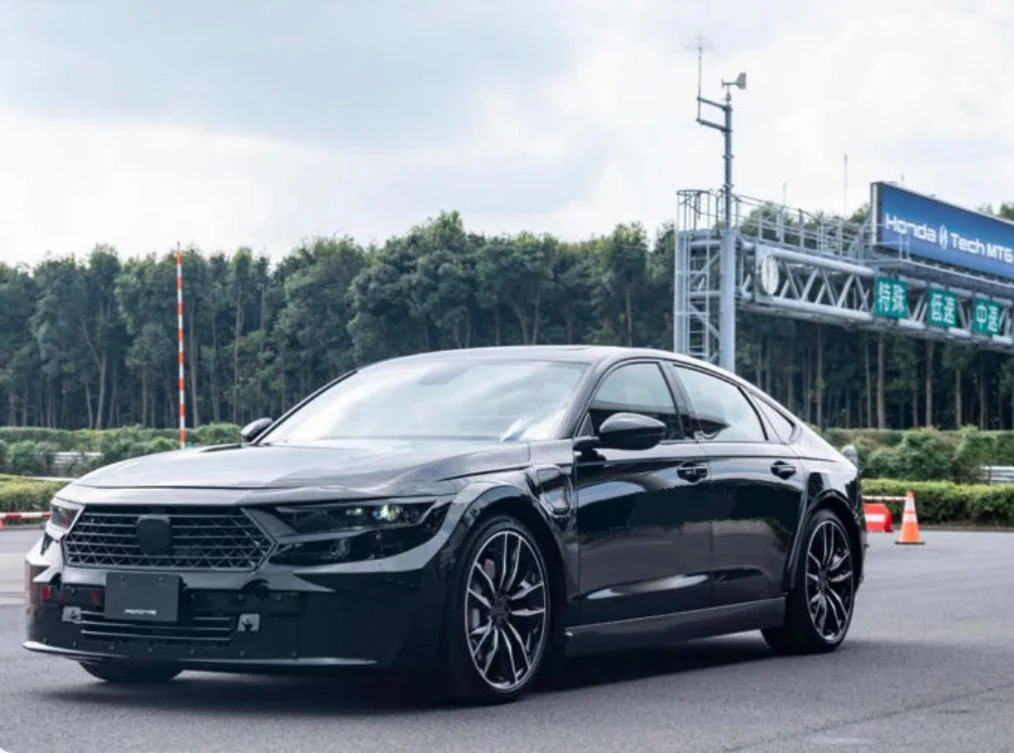
Honda typically staggers Accord trims from a well-equipped base up to a feature-rich Touring or equivalent top trim. The facelift moves some tech elements, like larger displays and improved cluster options, into lower trims than before, improving perceived value.
While Honda had not published the final U.S. MSRP at the time of early previews, industry pages estimate modest price increases compared to 2025 (usually 1–3% typical for mid-cycle updates). Expect the Hybrid and higher trims to carry the biggest premiums due to added tech and leather/comfort equipment.
Driving Impressions: What It Feels like Behind the Wheel
We like to compare sedans to tools — some are precision instruments, others are comfortable couches with steering wheels. The Accord sits between those extremes: it’s steady, communicative, and confident.
City driving highlights the hybrid’s smoothness and low-speed fuel benefits; highway cruising reveals the Accord’s quiet insulation and stable highway manners.
Acceleration in the 1.5-liter turbo is adequate for overtakes and merging, while the Hybrid feels more immediate around town thanks to electric torque.
Noise, vibration, and harshness (NVH) have improved slightly in the facelift as Honda tightens seals and adds dampening in key places, so the cabin feels more “premium” than the previous model in comparable trims. That modest refinement helps the Accord continue to punch above its weight versus rivals.
Competitors: how the Accord stacks up
In 2026 the Accord still competes against familiar names: Toyota Camry, Hyundai Sonata, Nissan Altima, and Kia K5. Compared with those, the Accord’s strengths are its balanced ride, predictable handling, and improved interior tech after the facelift.
The Camry continues to offer a slightly softer ride and strong reliability, while the Sonata emphasizes cutting-edge design and value. If you want a blend of composure and updated interface, the Accord is an excellent middle ground.
Final Verdict — Who Should Buy This Facelifted Accord?
If you already liked the 2023–2025 Accord for its balance of space, comfort, and efficiency, the 2026 facelift makes meaningful refinements without changing the core recipe.
It’s especially well suited for buyers who want a modern infotainment experience, strong fuel economy in hybrid form, and a sedan that feels refined for long commutes.
If you prize sportiness above all else or want cutting-edge EV tech, look elsewhere; but if you want a sensible, slightly uplifted midsize sedan that will serve reliably for years, the 2026 Accord remains one of the best choices in its segment.